Skip to content
Mount Kilimanjaro, Tanzania

Africa's highest point · Uhuru Peak · Five vegetation zones · Tanzanian crew

Kilimanjaro: Rise to Your Story

Walk from rainforest to alpine desert and toward Uhuru Peak at 5,895 metres—supported by a Tanzanian mountain team, a route chosen for you and one honest priority: climb well, listen closely and return safely.

Tanzania Icons

The destination

Mount Kilimanjaro rises above northern Tanzania to Uhuru Peak, Africa's highest point at 5,895 metres. UNESCO recognises the mountain for its exceptional scale, volcanic form and five main vegetation zones—from cultivated lower slopes and montane forest through heath, moorland and alpine desert to the summit environment.

Most standard summit routes are trekking journeys rather than technical climbs, but that does not make Kilimanjaro easy. The altitude is real, the weather can change quickly and several consecutive days of walking demand preparation, patience and a guide team trusted to put health above a summit photograph.

Urithi presents Kilimanjaro as part of Tanzania's living heritage. The climber's story matters, and so do the people who make the journey possible. We sell route fit, time for acclimatisation, clear safety standards and responsible mountain employment—not a borrowed success rate or a rushed promise.

Choose your journey

Kilimanjaro Journeys

Every package can be adjusted by travel date, group size, accommodation style and onward destination.

Machame: The Classic Kilimanjaro Climb — Seven trekking days through changing southern landscapes, led at the pace safety requires.
Flagship climb9 Days / 8 Nights

Machame: The Classic Kilimanjaro Climb

Seven trekking days. Five mountain zones. One journey led at the pace safety requires.

  • Kilimanjaro
Personalised quoteView journey
Lemosho: The Longer Western Approach — Eight trekking days from the western side, with more time and a quieter opening.
Premium pace10 Days / 9 Nights

Lemosho: The Longer Western Approach

A western approach, an extra day and a quieter start to Africa's highest mountain.
  • Kilimanjaro
Personalised quoteView journey
Marangu: The Hut-Based Route — Six trekking days using Mandara, Horombo and Kibo huts, with an acclimatisation day at Horombo.
8 Days / 7 Nights

Marangu: The Hut-Based Route

Huts instead of tents, and an acclimatisation day built in rather than sold as an extra.
  • Kilimanjaro
Personalised quoteView journey
Kilimanjaro Forest Day Experience — One accessible day for travellers who want to meet the mountain without attempting the summit.
Best non-summit experienceDay Trip

Kilimanjaro Forest Day Experience

Meet Kilimanjaro in the forest—one day, one thoughtful trail, no summit required.
  • Kilimanjaro
Personalised quoteView journey
Summit to Sea: Kilimanjaro & Zanzibar — A seven-day Machame climb followed by Stone Town and three Zanzibar beach nights.
Achievement and recovery13 Days / 12 Nights

Summit to Sea: Kilimanjaro & Zanzibar

Africa's highest point, then the Indian Ocean. Effort and recovery in one journey.

  • Kilimanjaro
  • Zanzibar
Personalised quoteView journey

Prices are quoted individually. Share your dates and party size and Urithi will prepare a personalised quotation.

Choose your route

The Route That Fits the Climber

No route is 'easy' and none is guaranteed. Each has a different pace, altitude profile and style of accommodation — the right one depends on you.

Machame — 7 trekking days

Urithi's flagship commercial route: varied scenery, camping and an active climb-high/sleep-lower profile for prepared trekkers who value a classic challenge.

Lemosho — 8 trekking days

The slower premium choice: a western approach, additional time and a quieter opening before joining the southern circuit.

Marangu — 6 trekking days

The hut-based choice: a historic route with an acclimatisation day at Horombo. Compact does not mean easy.

Other routes — tailor-made only

Rongai, the Northern Circuit and more demanding options are offered after fitness, experience, season, logistics and current park operations are reviewed.

Non-summit day experience

An approved forest trail, waterfall or Shira Plateau day visit for companions, families and travellers who want Kilimanjaro without a multi-day climb.

When to visit

Best Time to Visit

Kilimanjaro operates across changing mountain weather. TANAPA identifies generally drier windows from late June to September and from December to early March, with shorter rains around October to November and a wetter period from March to May. Conditions can still change in any month and at every elevation.

Late June to September
Often clearer and drier, with strong international demand and potentially busier trails and camps.
December to early March
Another commonly requested window, with cool nights, variable summit conditions and holiday or New Year demand to plan well ahead.
October to November
Short-rain conditions may create quieter trails, cloud, mud and changing visibility; waterproof systems and operational flexibility matter.
March to May
Longer rains can bring wet lower trails, snow or difficult upper conditions and reduced supplier operations; offered only after route and team confirmation.
Getting there
International gateway
Kilimanjaro International Airport serves the region, roughly 45 kilometres west of the park; actual transfer time depends on the hotel, gate and traffic.
Moshi base
Moshi is the practical centre for briefing, equipment checks, crew logistics and pre- or post-climb accommodation.
Trailhead transfers
Machame, Londorosi/Lemosho, Marangu, Rongai and Mweka gates sit around the mountain; the quotation names both ascent and descent logistics.
Onward connections
Protected transfer time is built in for Arusha, safari departures, Kilimanjaro Airport or Zanzibar flights after the descent.
Go further

Suggested Connections

Pair Kilimanjaro with the rest of Tanzania — Urithi coordinates the whole journey as one plan.

  • Tarangire and Ngorongoro

    Recover first, then continue by road into northern Tanzania's safari icons at an unhurried pace.

  • Zanzibar

    Fly from Kilimanjaro for Stone Town and the Indian Ocean — the classic summit-to-sea finish.

  • Serengeti

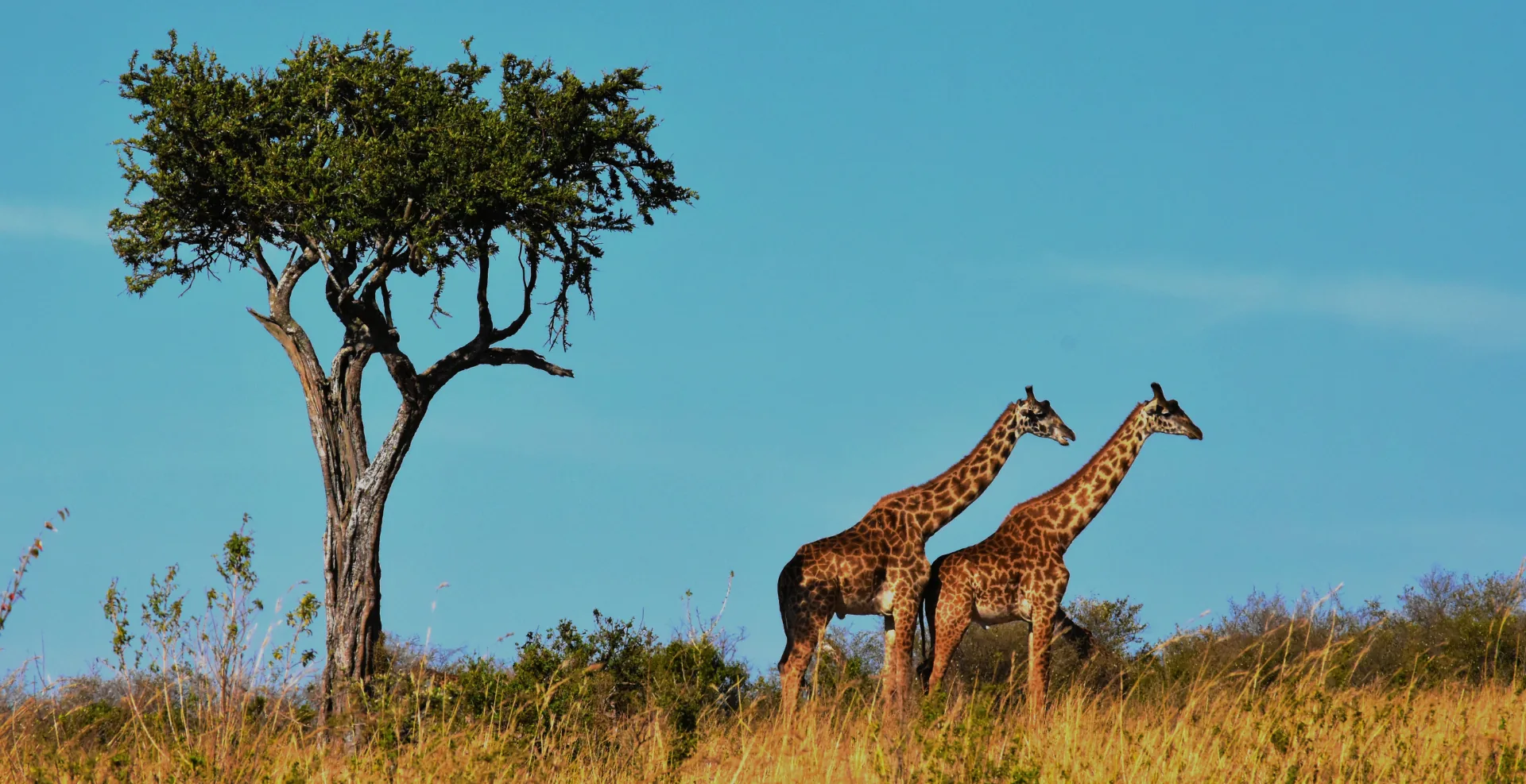
    Add the plains for a complete Tanzania journey combining mountain and wildlife.

  • Moshi and the foothills

    Use the mountain's lower slopes for coffee, waterfalls and community experiences before or after the climb.

Safety is the product

Ask Better Questions Before You Compare Prices

The route gives your body an opportunity to adapt; the guide team observes, communicates and acts when the mountain says the plan must change.

Medical preparation
Consult an appropriate travel-health or medical professional, disclose relevant history through a secure process and follow personalised advice rather than website instructions.
Acclimatisation
We prefer the seven-day Machame, eight-day Lemosho and six-day Marangu versions shown here, and never remove a day merely to create the cheapest product.
Daily monitoring
Symptom checks, communication, guide ratios, oxygen, pulse oximetry, first aid and the descent protocol are agreed and consistently delivered by the operating team.
Guide authority
The lead guide's safety decision is final, including stopping an ascent or arranging descent.
Insurance
We require written confirmation that your policy covers the planned activity, maximum altitude, medical treatment, evacuation and repatriation.
Preparation

Preparation That Builds Confidence

Training
A progressive programme of walking, hills or stairs, strength, recovery and consecutive trekking days, suited to your starting point rather than a universal plan.
Equipment
An approved packing list covering layered clothing, waterproof protection, warm summit kit, worn-in footwear, sleeping system, headlamp, sun protection and personal essentials.
Rental
Every locally rentable item, its condition standard, sizing process, deposit and replacement rule is confirmed before payment.
Arrival buffer
Reach the Kilimanjaro area with enough time for rest, delayed baggage, equipment checks and the in-person climb briefing.
Summit mindset
Be ready for cold, darkness, slow pacing and the possibility of turning around even after months of training.
Responsible trekking

The Mountain Team Matters

Guides, assistant guides, cooks and porters carry expertise and responsibility—not just equipment.

Employment and welfare
Wages and payment timing, porter loads, meals, tents or huts, clothing and equipment, medical care, crew ratios, grievance reporting and transparent tip distribution are all documented.
Verified partners
Every operating partner is verified against an approved standard, and certification marks are displayed only where current verified status and permission exist.
Traveller education
We explain crew roles, the tipping process and respectful conduct before departure — without shifting employer responsibilities onto guests.
Travel moments

Kilimanjaro in Pictures

Every image carries a place, a moment and, where relevant, the people whose story it belongs to.
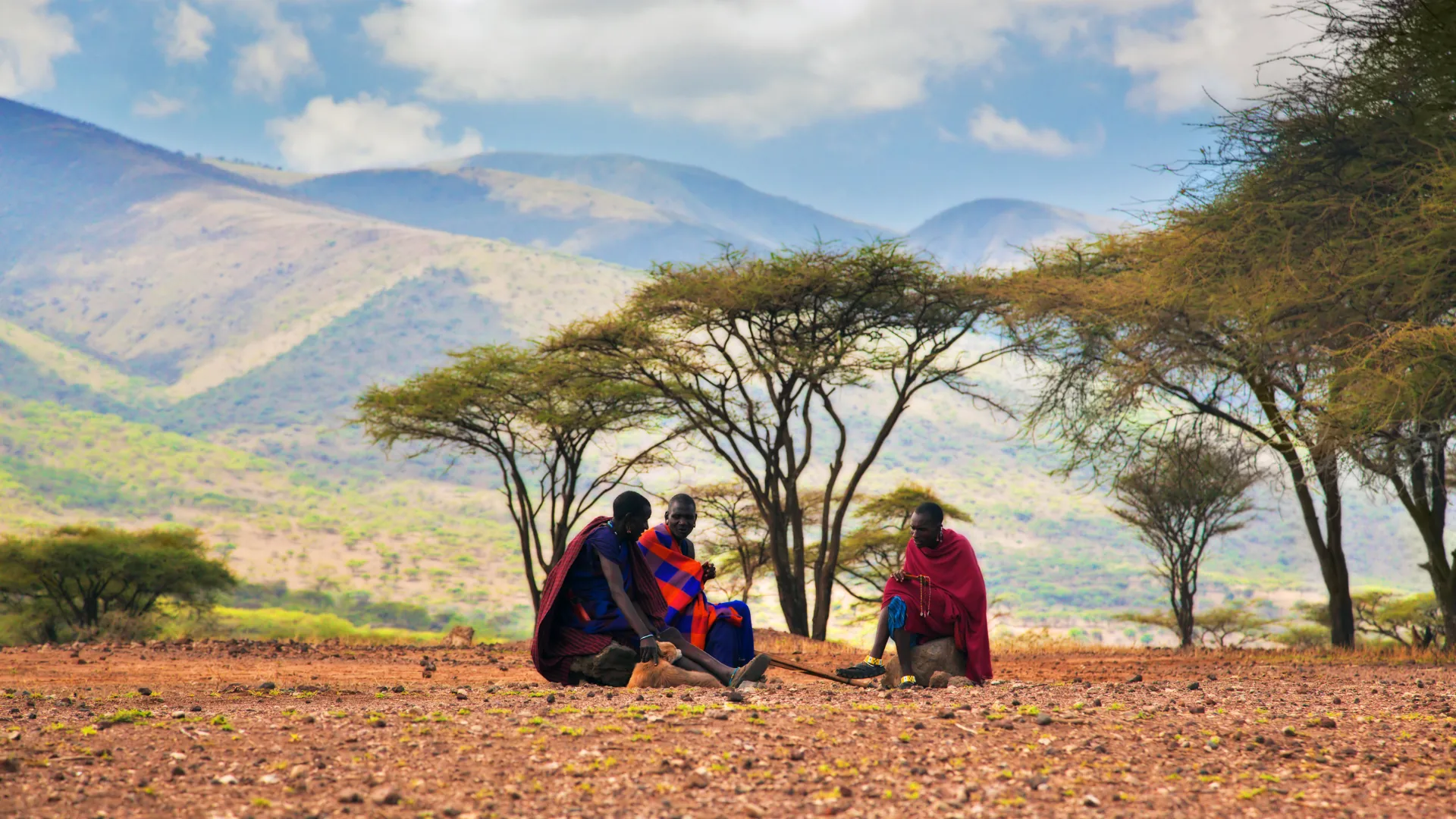
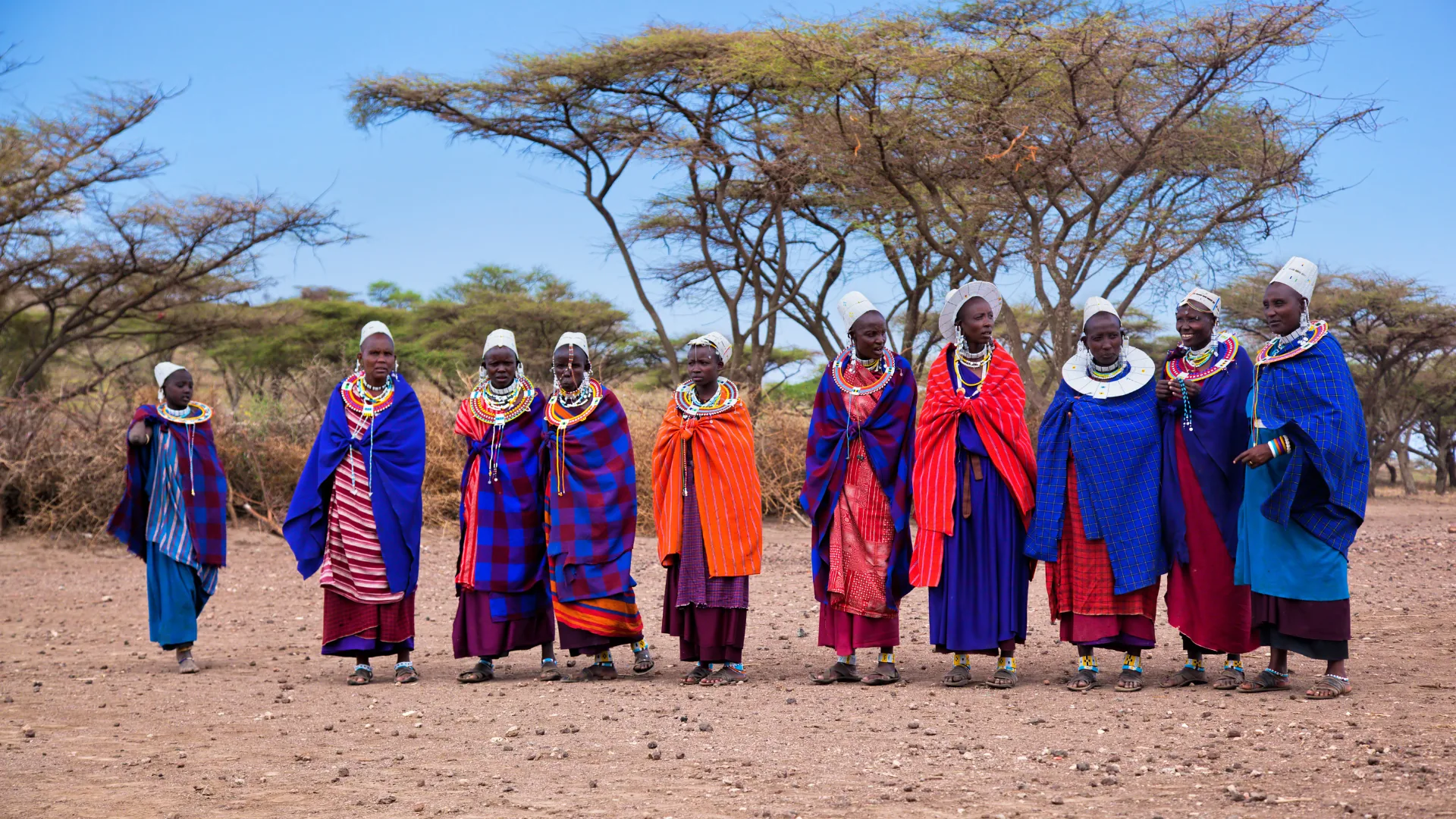
Maasai community members gathered beneath acacia trees on the northern Tanzanian plains
Maasai herders resting beneath acacia trees below the Ngorongoro highlands
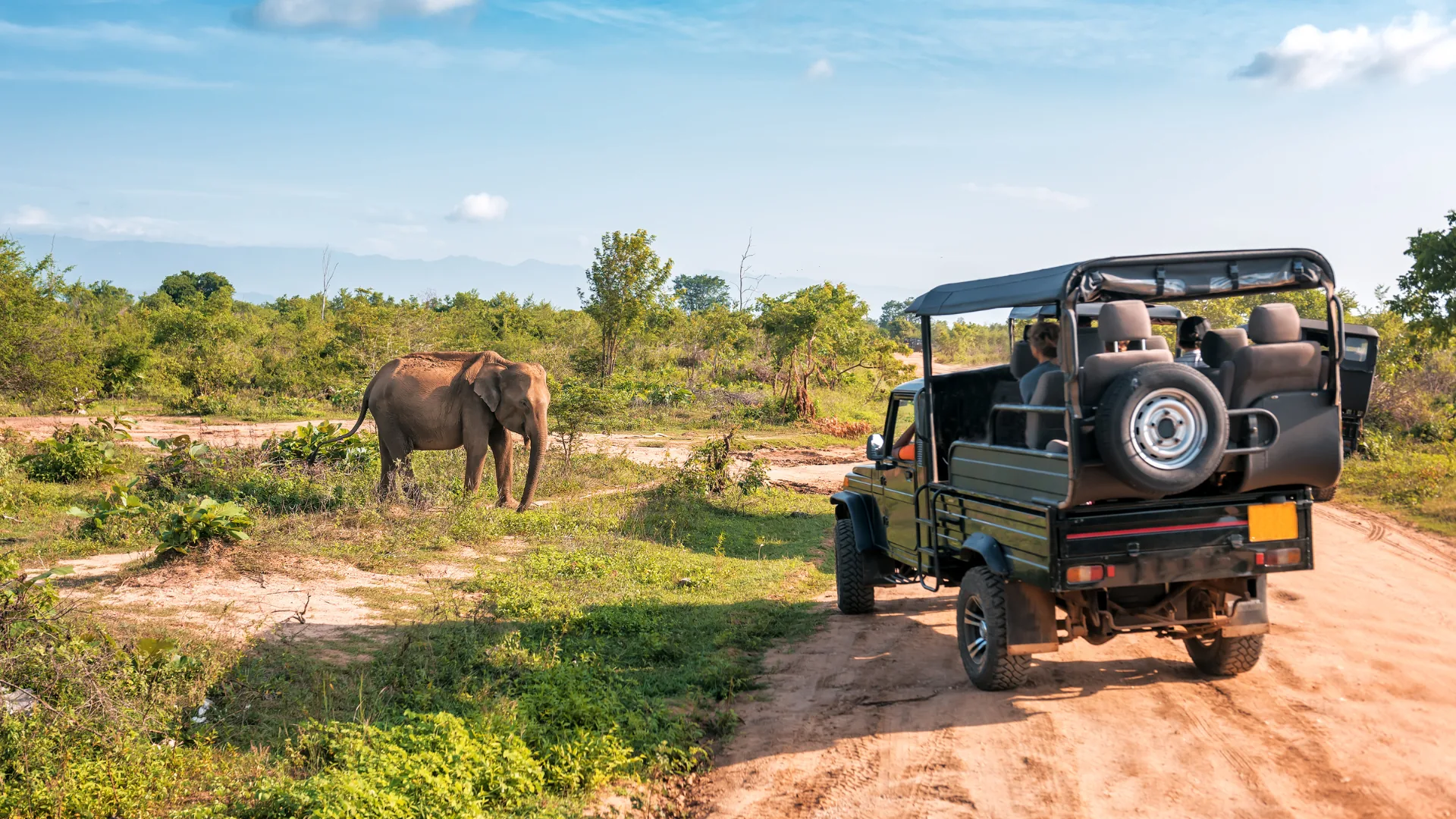
An elephant beside a Urithi safari vehicle on a bush track in Tanzania
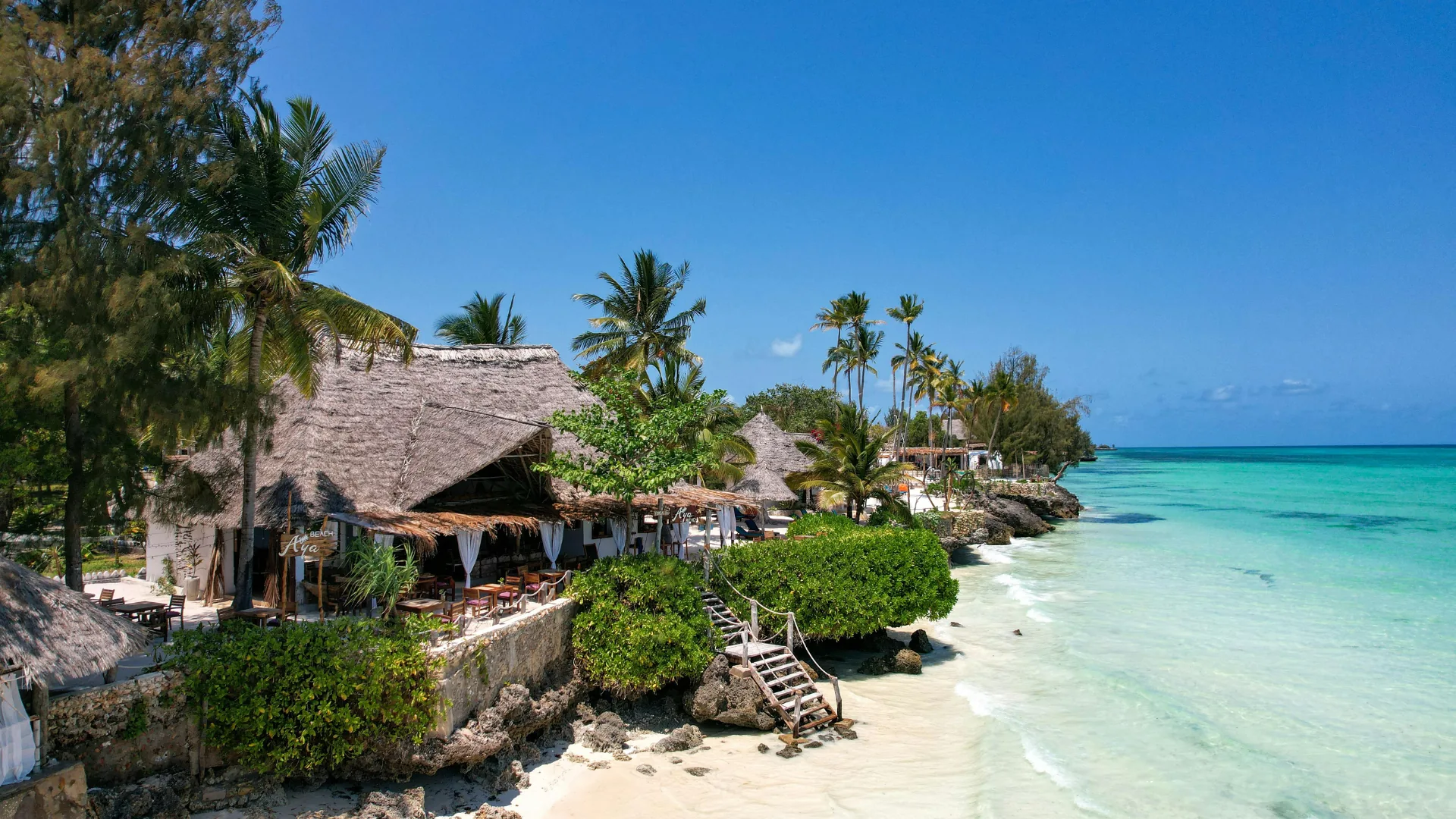
A thatched beach lodge among palms on Zanzibar's turquoise coastline
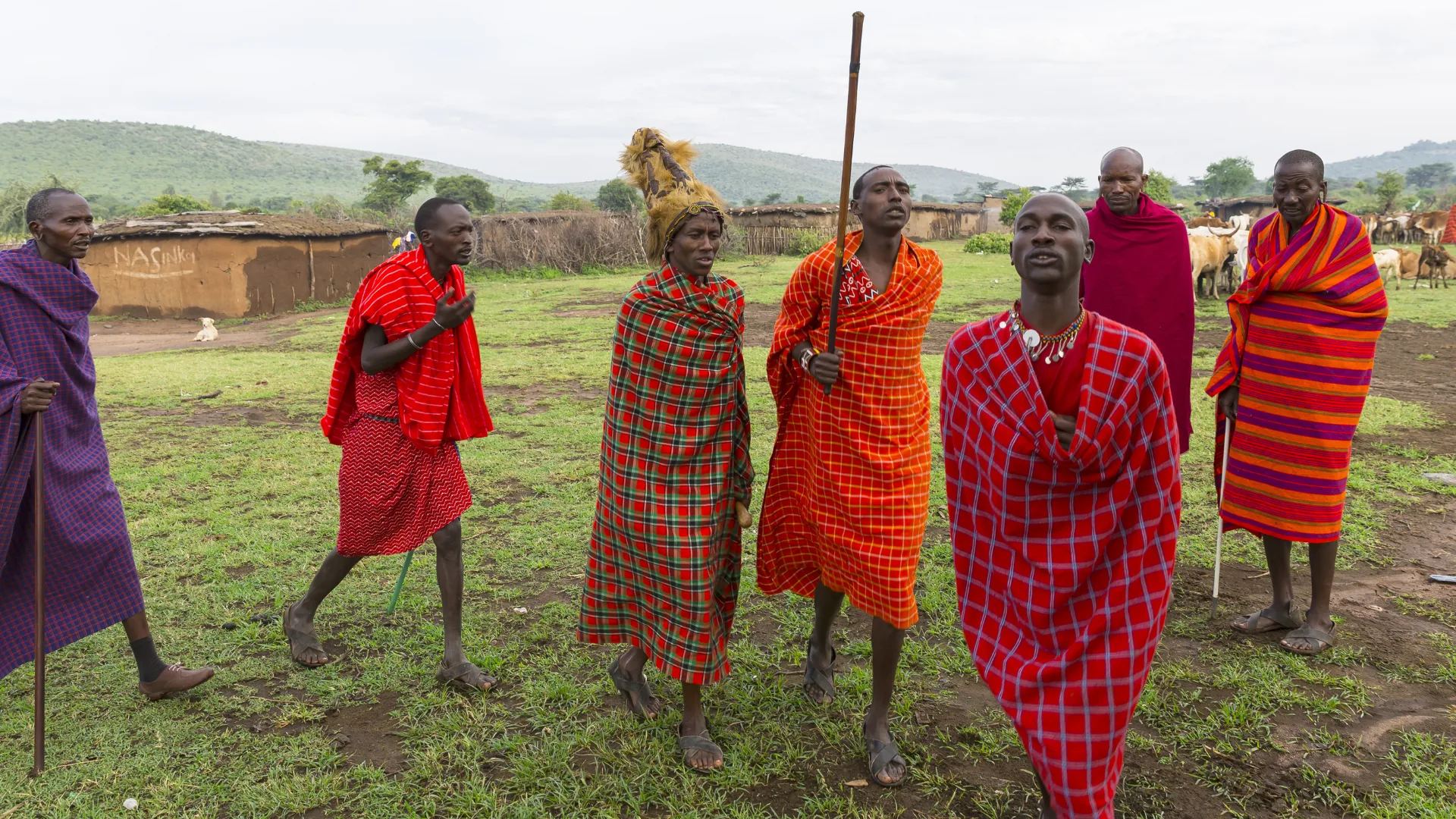
Maasai men gathered outside a village homestead in northern Tanzania
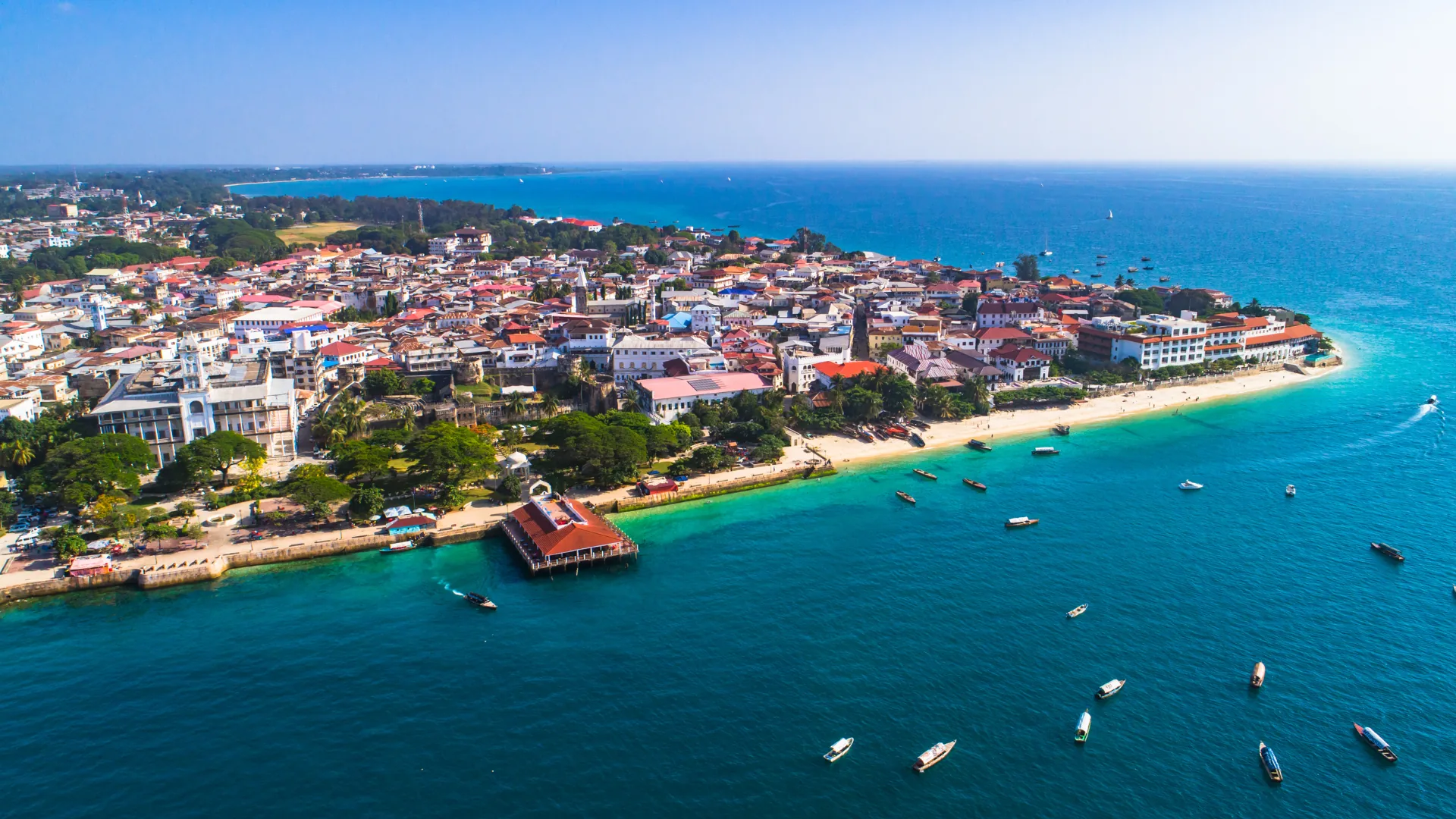
Aerial view of Stone Town's waterfront and the Indian Ocean, Zanzibar
Good to know

Frequently Asked Questions

Do I need technical climbing experience?
The standard Machame, Lemosho and Marangu itineraries are high-altitude treks rather than technical ascents. They still demand fitness, preparation, suitable equipment and the ability to follow guide instructions.
Which route is best?
Machame suits travellers seeking a classic seven-day camping route; Lemosho adds time and a western approach; Marangu uses huts. The best choice depends on the individual, not a universal ranking.
Is reaching the summit guaranteed?
No. Acclimatisation, health, weather and trail conditions vary. The lead guide may require a climber to descend, and safe return remains the priority.
When should I book?
Book earlier for popular dry-season windows, private groups and specific hotel or flight requirements. No date is confirmed until permits, team and services are secured.
Can I rent equipment in Tanzania?
Selected items may be available, but size, condition and stock must be confirmed. Critical personal footwear and tested layers should be planned carefully.
Can I add safari or Zanzibar?
Yes. Recover first, then continue by road toward Tarangire and Ngorongoro, or fly from Kilimanjaro to Zanzibar on a protected schedule.
What if I do not want to summit?
Choose a park-approved forest, waterfall or Shira Plateau day experience, subject to current access and activity rules.
Start planning

The Summit Is a Goal. The Journey Is the Story.

Tell us your trekking background, preferred dates, camping or hut preference and what you want after the mountain. Urithi will recommend the route, time and Tanzania connection that fit you—without rushing the climb or promising what altitude never guarantees.

Your dates and ideas do not need to be final. Share what you know, and Urithi will help shape the rest.