
Ngorongoro Crater Escape
Three days. One extraordinary crater. A complete safari shaped around limited time.
- Ngorongoro
Personalised quoteView journey
A business division of Urithi Company Limited
World Heritage · Wildlife · Highlands · Human history
Descend into a vast volcanic landscape where wildlife, highland forest, open plains and layers of human history come together—then continue into the wider Tanzania story with Urithi.
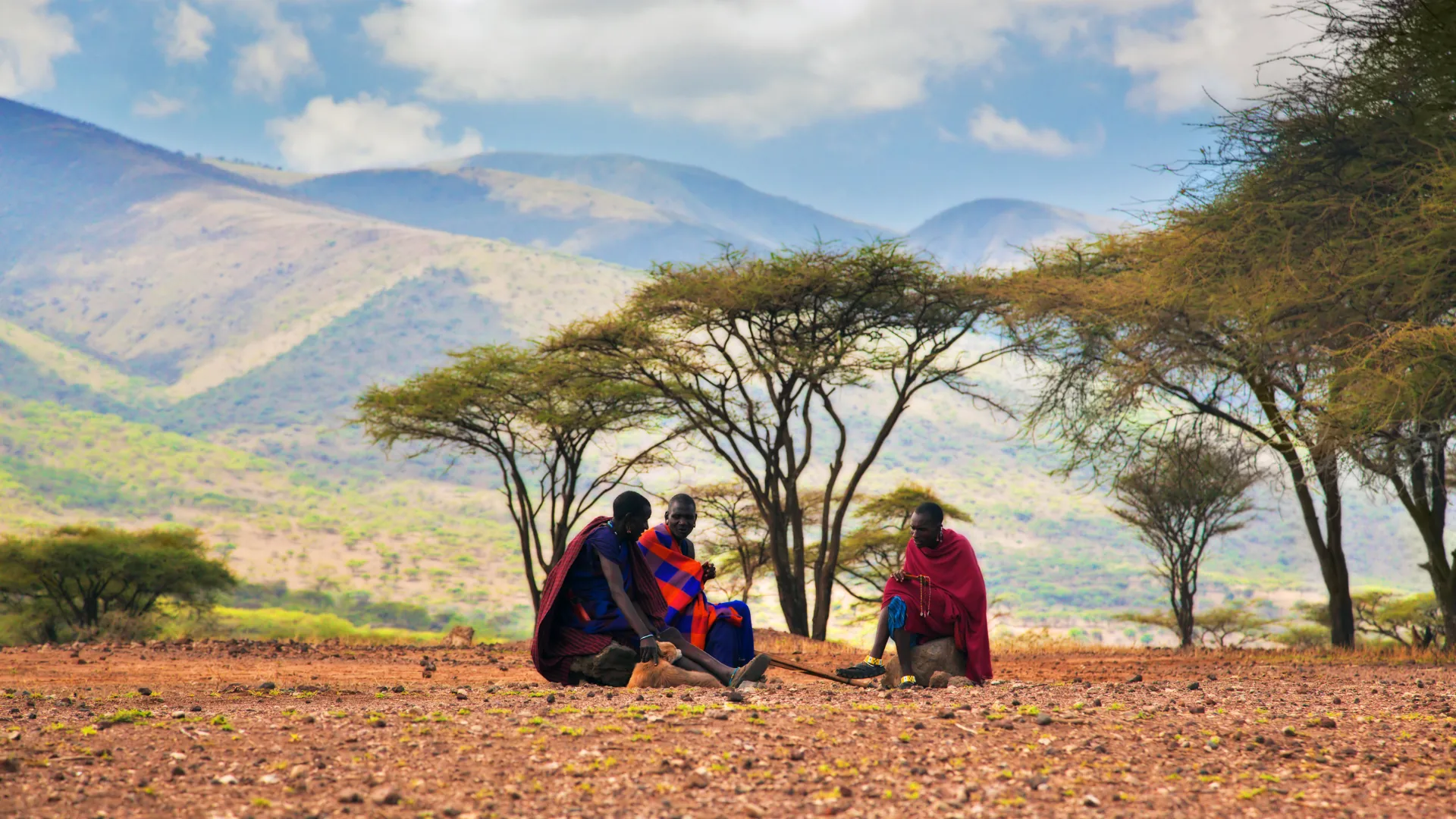
Ngorongoro Conservation Area stretches from forested highlands and volcanic craters to open plains that meet the wider Serengeti ecosystem. Established as a multiple-use landscape, it is recognised by UNESCO for extraordinary natural and cultural value—including wildlife, geology, archaeology and the continuing relationship between people and land.
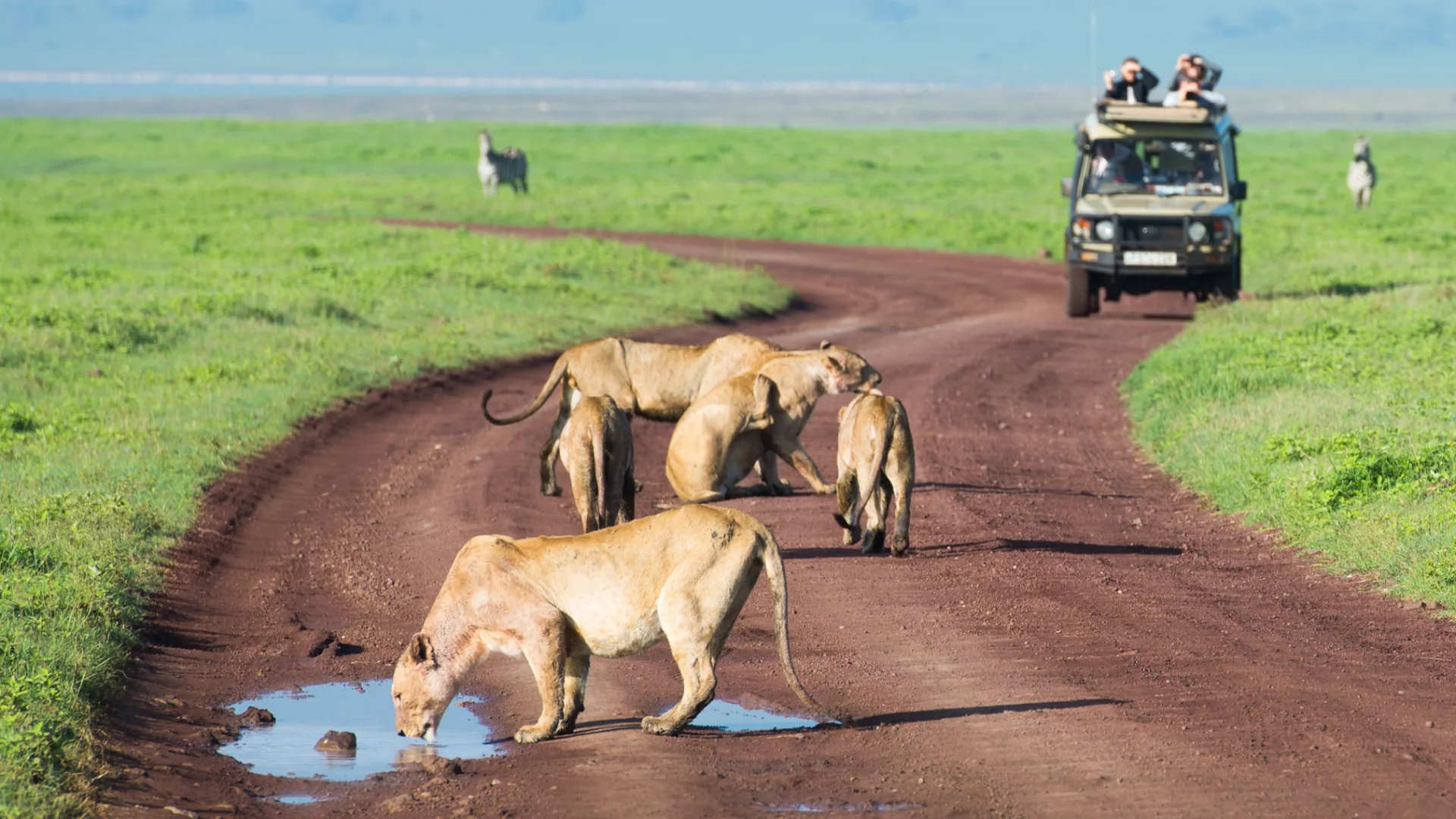
At its heart lies the Ngorongoro Crater, one of the world's great natural amphitheatres. Grassland, springs, marsh and forest support an exceptional concentration of wildlife, including lions, buffaloes, elephants, hippos and black rhinos. Beyond the crater, Olduvai Gorge, Laetoli, Empakaai, Olmoti and the seasonal plains of Ndutu reveal a much larger story.
With Urithi, Ngorongoro is not reduced to a checklist or a single descent. We connect its wildlife, highland beauty and human history through responsible guiding, respectful local partnerships and journeys that create lasting value for travellers and hosts.
Every package can be adjusted by travel date, group size, accommodation style and onward destination.
Three days. One extraordinary crater. A complete safari shaped around limited time.
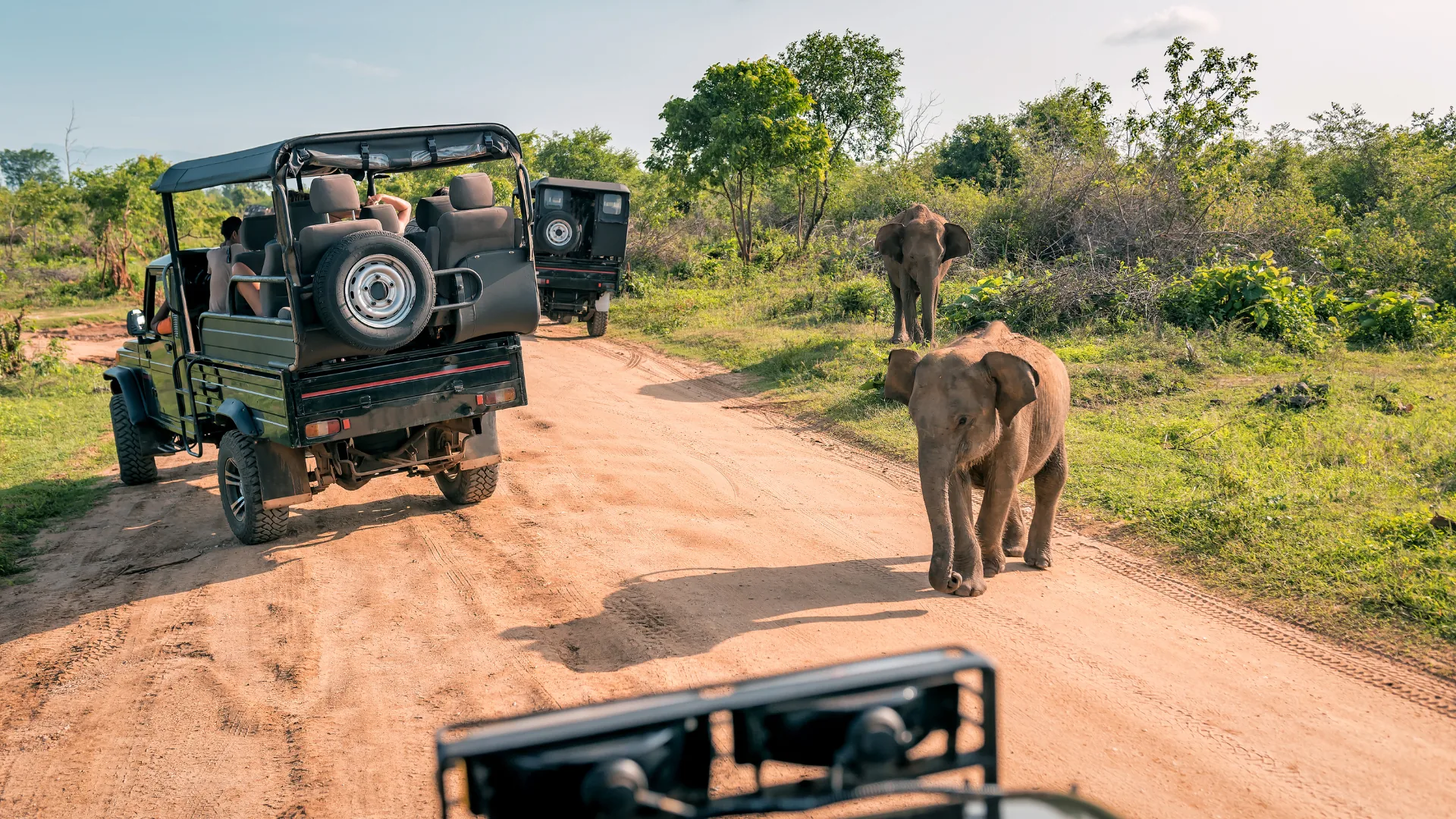
Elephants and baobabs. A crater full of possibility. Four days made to count.
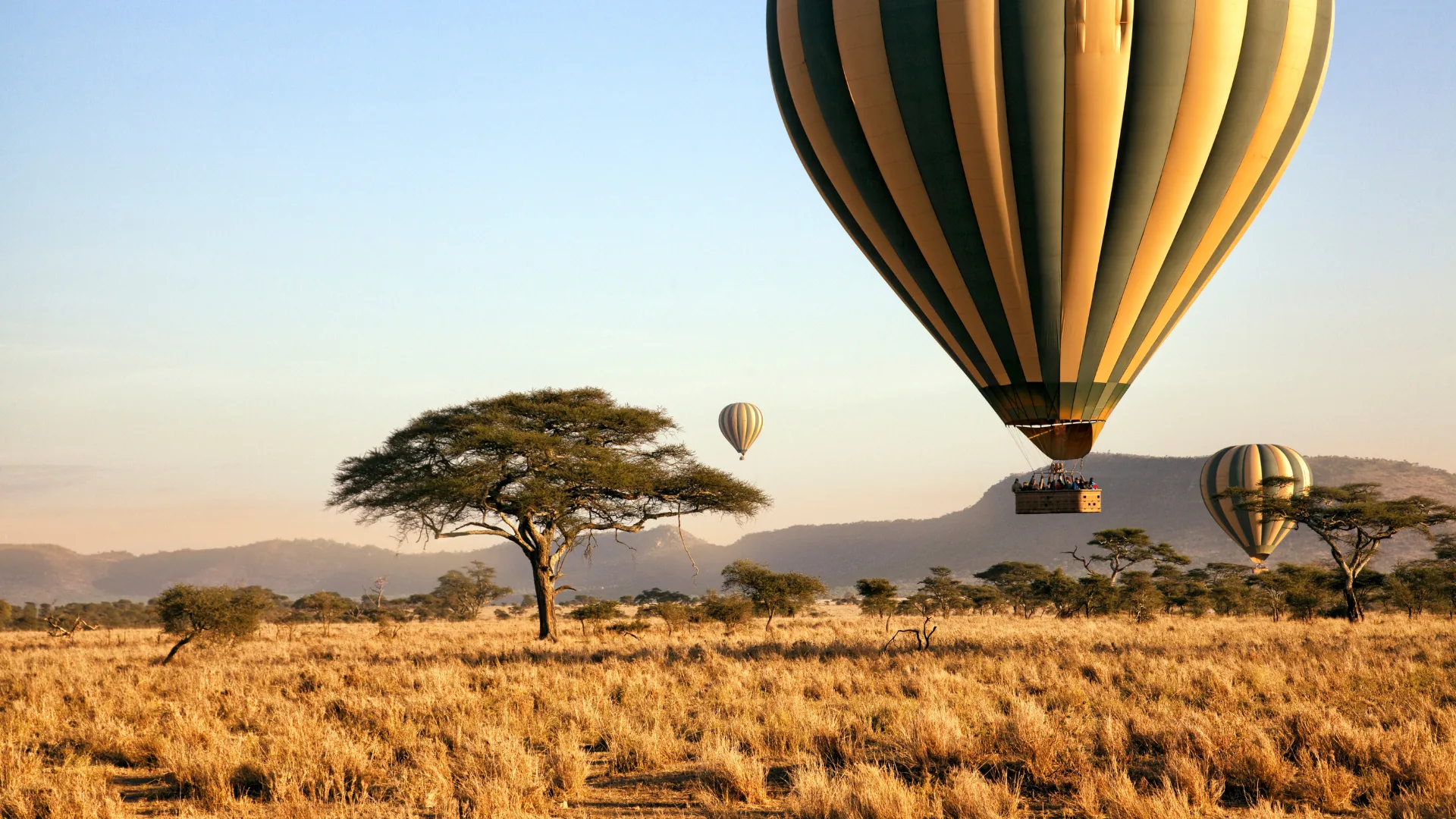
Baobabs, endless plains and the crater—Tanzania's safari icons in one considered journey.

The crater. The plains. Stone Town. The sea. Tanzania's icons, thoughtfully connected.
Prices are quoted individually. Share your dates and party size and Urithi will prepare a personalised quotation.
Descend with a licensed guide for a carefully paced safari through grassland, springs, woodland and wetland, with time to observe behaviour rather than chase a checklist.
Travel through cool forest, crater-rim viewpoints and farming country around Karatu, where altitude and changing weather create a different Tanzania mood.
Add Olduvai Gorge, Laetoli or the geological heritage museum when routing, opening arrangements and time permit.
Explore approved routes around Empakaai, Olmoti or other suitable areas with required ranger support and current local permission.
Choose host-led community experiences designed around consent, accurate interpretation and fair local value—not staged encounters.
Ngorongoro is a year-round destination. The best period depends on whether you value drier conditions, green landscapes, seasonal wildlife movement or fewer visitors.
Pair Ngorongoro with the rest of Tanzania — Urithi coordinates the whole journey as one plan.
Add baobab landscapes, elephants and river-country wildlife for a strong short safari.
Continue across the wider ecosystem for big-cat country, open plains and seasonally changing migration experiences.
Move from crater and plains to Stone Town heritage, spice and an Indian Ocean beach stay.
Use the highlands as a comfortable base for local food, forest, community and Rift Valley extensions.
Every image carries a place, a moment and, where relevant, the people whose story it belongs to.
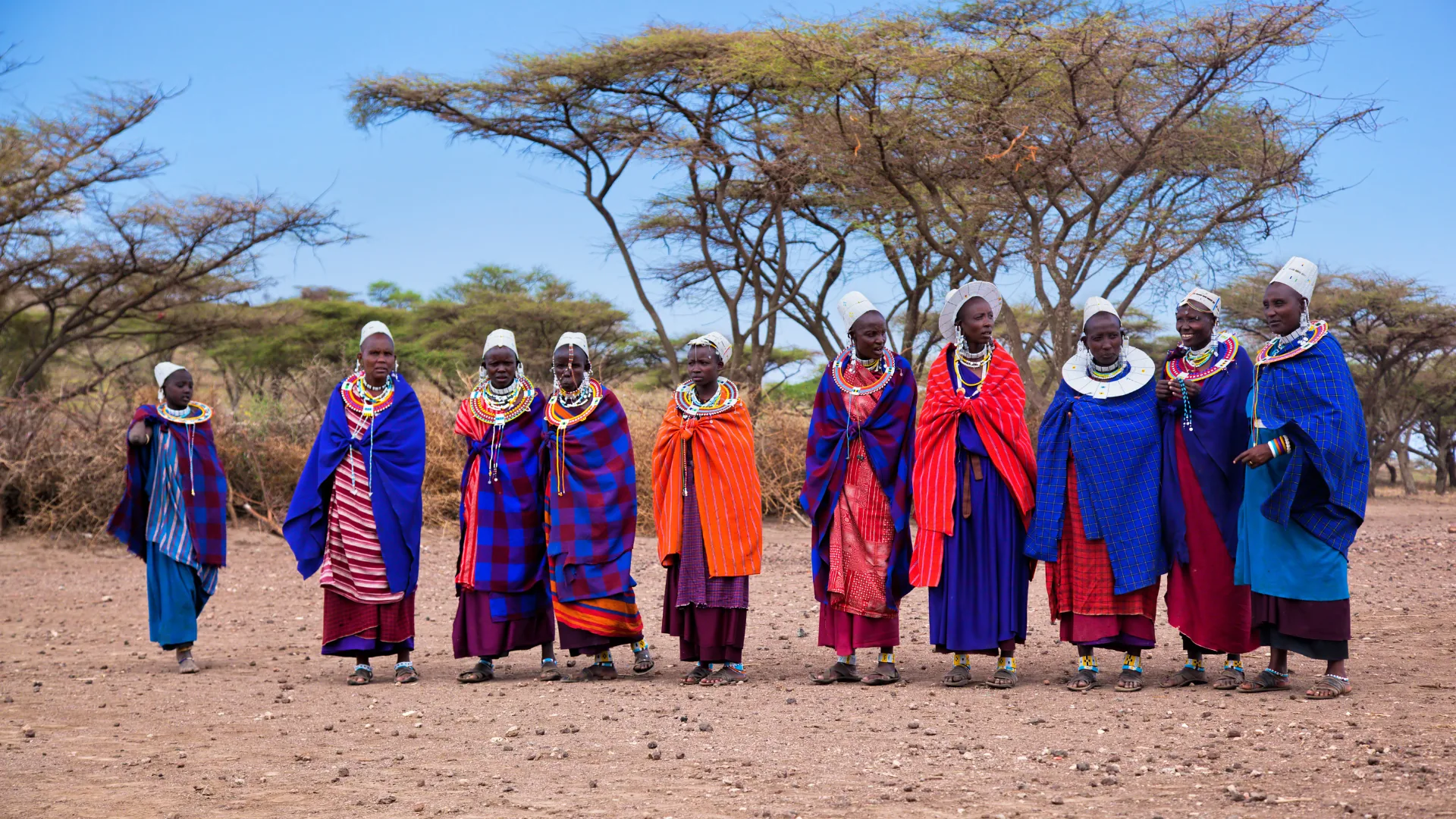
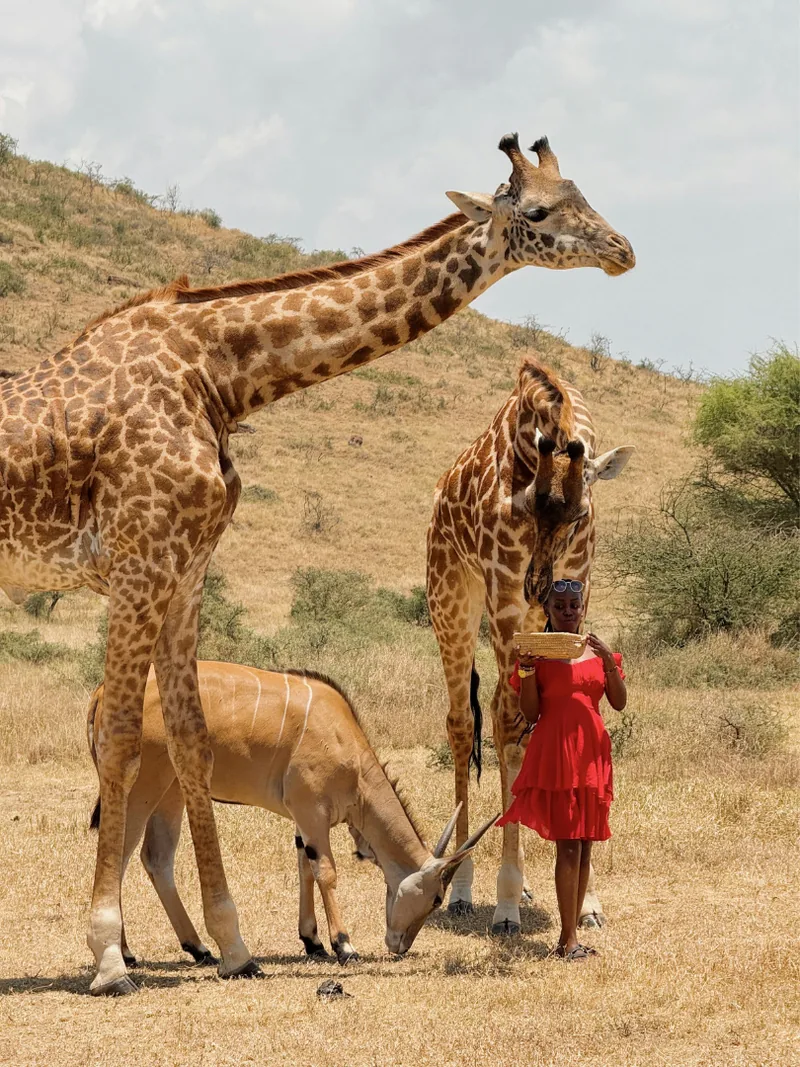
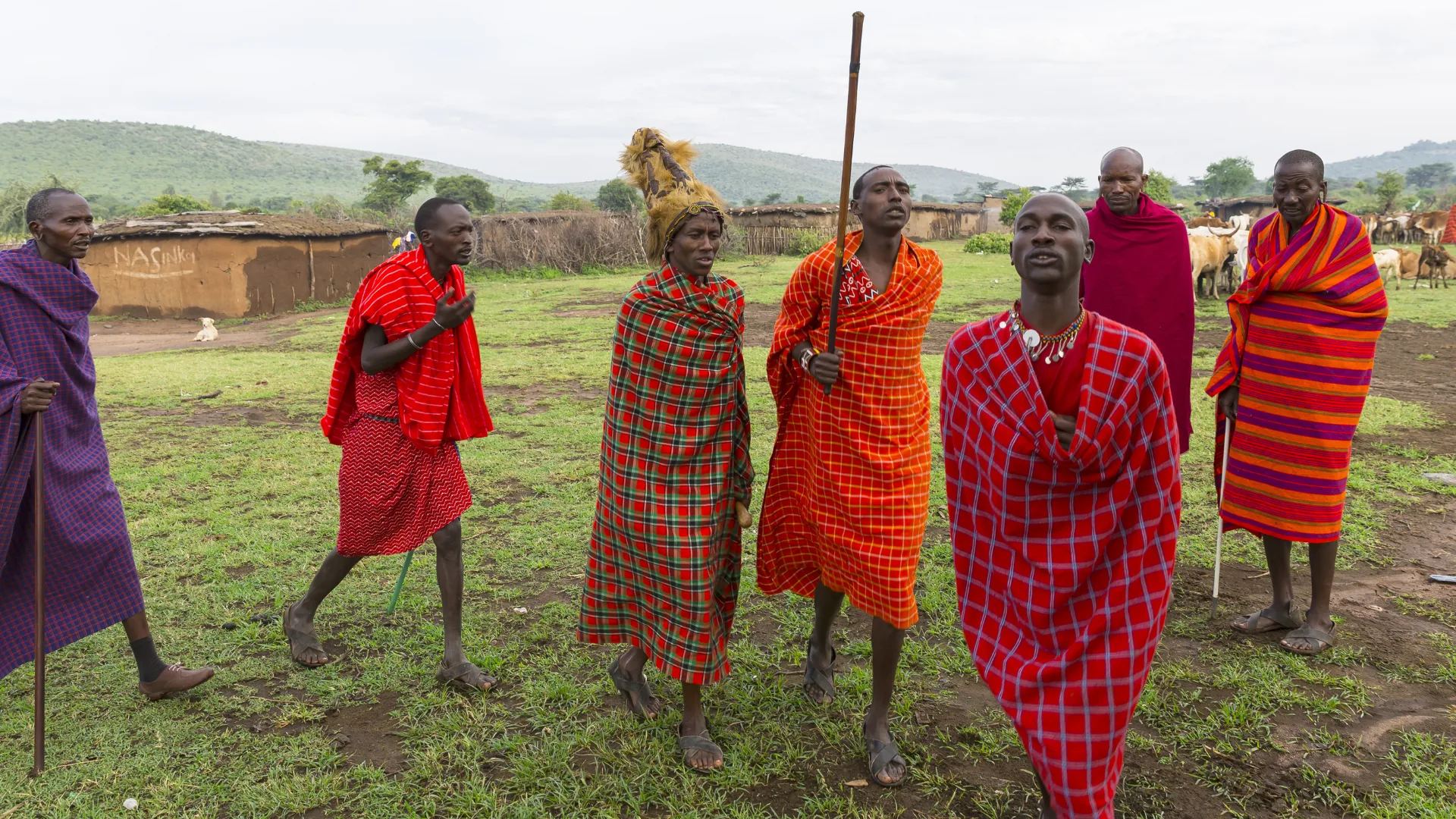
Choose a short Ngorongoro escape, add Tarangire and Serengeti, or complete the story beside the Indian Ocean. Urithi will connect the right pace, accommodation, guiding and transfers into a journey shaped around you.
Your dates and ideas do not need to be final. Share what you know, and Urithi will help shape the rest.
We use essential cookies to make this site work, and optional analytics cookies to understand how it is used. You can accept or decline analytics. Cookie Policy.