
Plan Tanzania
7 Tanzania Safari Planning Mistakes to Avoid
Urithi Tours Travel Desk · 5 August 2026 · 4 min read
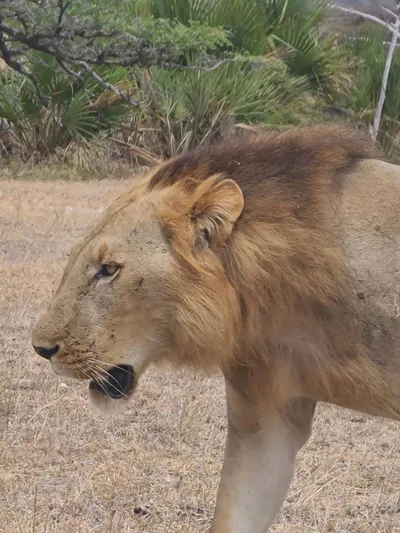
A beautiful itinerary can still fail when the hidden logistics are ignored.
A safari quotation can look simple: a vehicle, a lodge and a list of national parks. The experience itself is not simple. Behind every smooth journey are decisions about distance, park-entry rules, vehicle charges, accommodation location, meal plans, flight baggage, child policies, seasonal access and the number of hours that will actually be available for wildlife viewing.
Most disappointing safaris are not ruined by Tanzania. They are weakened during planning. Here are seven mistakes worth correcting before money is committed.
1. Choosing destinations before deciding what you want to experience
A traveller may ask for Serengeti because the name is famous, or request three national parks because more parks sounds like better value. But the right starting point is the experience: big cats, elephants, quiet landscapes, a boat safari, migration, birding, family time, photography, cultural connection or a short safari from Zanzibar.
Once the priority is clear, the destination becomes easier to choose. Mikumi, Nyerere, Ruaha, Serengeti and Tarangire are not interchangeable names on a list. They differ in travel effort, activities, atmosphere and the time needed to appreciate them.
2. Ignoring where the accommodation is located
A lodge described as being "near" a national park may still require a significant transfer to the gate or the main wildlife-viewing area. A lower room price can therefore create more driving, more fuel, earlier starts and less time with wildlife.
Before accepting a quotation, ask whether the accommodation is inside the park, outside the gate or farther away in a nearby town. Also ask which gate and which part of the park will be used. Location affects both the cost and the experience.
3. Comparing only the final price
Two safari prices are not comparable until their inclusions are comparable. One may include conservation fees, vehicle entry, concession or camping charges, meals, drinking water, airport transfers and activities. Another may leave several of those items for the traveller to pay later.
The cheapest quotation can become the most expensive when exclusions appear during the journey. Ask for a written list of inclusions, exclusions and assumptions — including the currency and exchange-rate policy.
4. Trying to fit too much into too few days
A map can make destinations look closer than they feel on the road. Long drives may be part of an enjoyable overland safari, but they should be recognised as travel days. When every night is in a different place, guests spend too much time checking out, packing, transferring and checking in again.
A strong itinerary protects time to stop, observe and let the guide respond to what is happening in the landscape. Wildlife does not follow a hotel timetable.
5. Adding Zanzibar after the mainland itinerary is already fixed
Zanzibar should be planned as part of the transport structure, not attached at the end as if every mainland destination connects equally. The airport, domestic route, luggage rules, beach location and international departure all influence the most sensible order.
The same applies in reverse. A traveller based in Zanzibar can add Mikumi, Nyerere or Ruaha, but the right choice depends on useful safari time — not simply whether a flight exists.
6. Treating every traveller as if they need the same safari
Children, older guests, photographers, climbers, honeymooners and first-time safari travellers have different energy levels and expectations. A private vehicle may be worth more to a family that needs flexibility. A photographer may prefer fewer destinations and longer sightings. A honeymoon couple may value privacy and pace more than ticking off another park.
Share dietary requirements, mobility considerations, ages, rooming and special occasions early. Late information is usually more expensive and harder to solve.
7. Booking without a disruption and payment plan
Flights can change, roads can be affected by weather and a guest can become unwell. A responsible itinerary includes realistic connection time, emergency contacts, clear cancellation terms and an understanding of which supplier payments become non-refundable.
Travel insurance is not a decorative recommendation. Guests should understand the cover they need for medical emergencies, evacuation, cancellation, baggage and any higher-risk activity in their itinerary.
A simple safari review checklist
- Are the exact parks, gates and accommodation locations clear?
- Are all government, park, vehicle and activity charges identified?
- Do the quoted meals match the travel schedule?
- Are domestic flights, transfers and baggage limitations confirmed?
- Are child, resident, room-sharing and single-supplement rules correct?
- Is there enough useful time at each destination?
- Are Zanzibar connections built into the same plan?
- Are payment, amendment, cancellation and refund terms written?
- Does the operator have a clear contact and incident process?
The Urithi view
Good safari planning is not about making travel sound complicated. It is about dealing with the complexity before the guest feels it. Urithi's role is to make the important choices visible, explain the trade-offs honestly and coordinate the journey around the traveller — not around a copied itinerary.
Already have an itinerary or quotation? Send it to Urithi with your travel dates and priorities. We will help you identify the questions to ask before you book.