
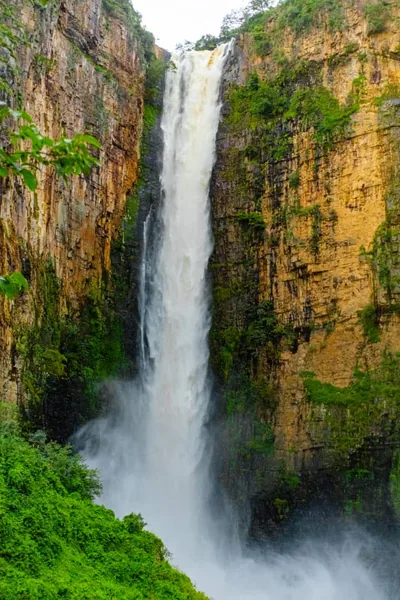
Kalambo Falls, Kasanga & Lake Tanganyika
One of Africa's highest uninterrupted falls, and a human story half a million years deep.
- Kalambo Falls
Personalised quoteView journey
A business division of Urithi Company Limited
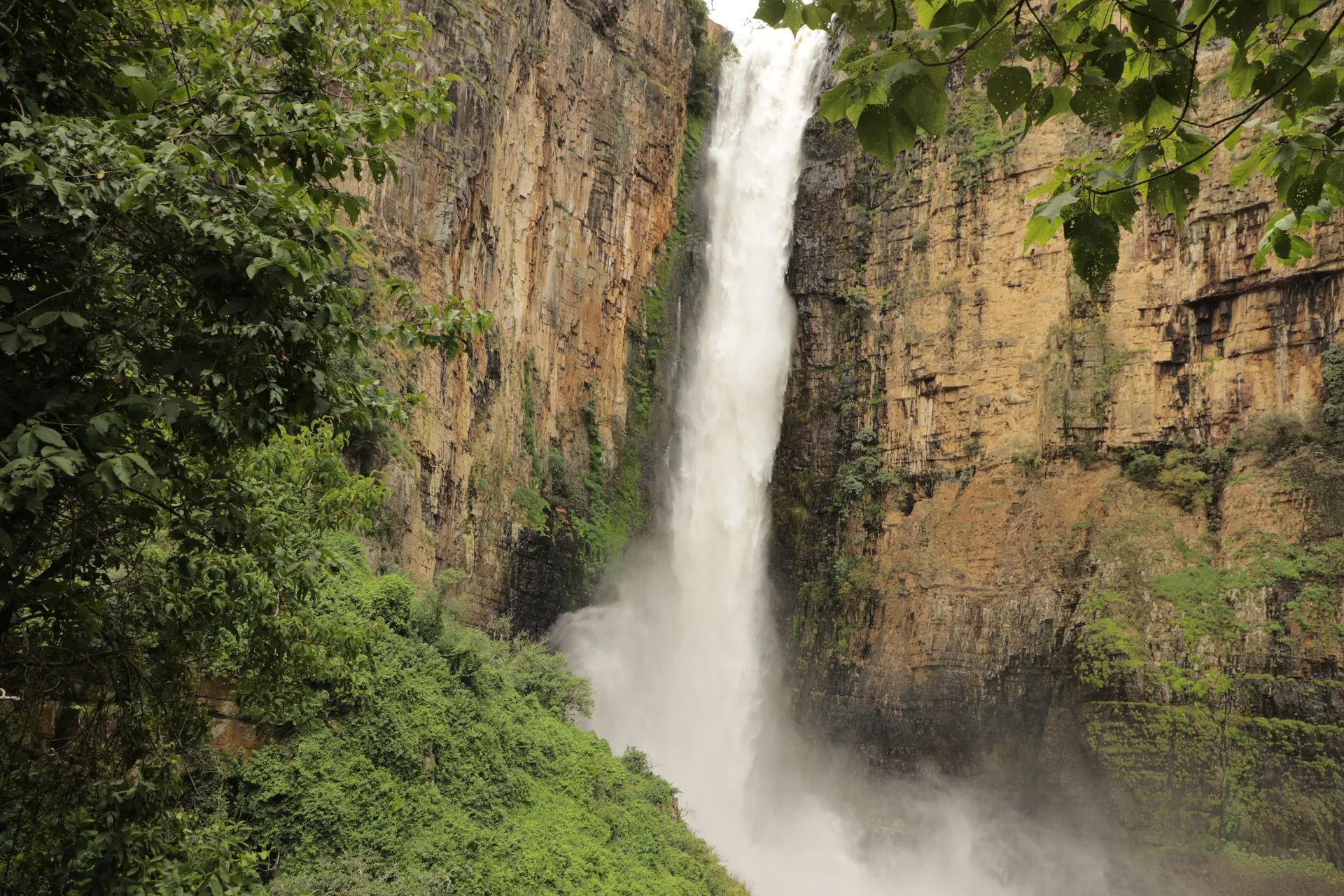
Beyond the familiar · Waterfall · Great lake · Living history
Stand above one of Africa's highest uninterrupted waterfalls, follow its river toward Lake Tanganyika and continue to Kasanga—where beach, port, community and the weathered remains of Bismarckburg hold many layers of Tanzania's western story.
Kalambo Nature Forest Reserve protects 43,334 hectares in Rukwa Region along Tanzania's border with Zambia. At its heart, the Kalambo River reaches the Tanganyika Rift Escarpment and falls in a single dramatic drop into a deep gorge before continuing toward Lake Tanganyika. Tanzania Forest Services describes it as Africa's second-highest free-falling waterfall at 235 metres; other official tourism material uses 250 metres. Urithi therefore leads with the more durable description: one of Africa's highest uninterrupted waterfalls.
The waterfall may be the reason travellers first look at the map, but it should not be the only reason they stay. The reserve also holds the Kalambo Gorge, forest walking, camping, cultural attractions, archaeological resources and a Lake Tanganyika beach. Nearby Kasanga adds a working port, wide lake horizons and the Bismarck ruins—the remains of a German colonial post once known as Bismarckburg.
Kalambo also belongs to a much deeper human story. Archaeological deposits around the falls preserve an exceptional sequence of occupation and technological change. Research published in Nature reported two intentionally joined logs from the Zambian side of the site dating to at least 476,000 years ago—the earliest known structural use of wood. This is shared transboundary heritage, but the excavated site and its artefacts are not automatically accessible from Tanzania.
With Urithi, Kalambo is an expedition destination rather than a quick roadside stop. The journey is built around waterfall conditions, realistic road days, a qualified local reserve guide, suitable accommodation or camping, Lake Tanganyika safety and respectful interpretation of community, archaeology and colonial history.
Every package can be adjusted by travel date, group size, accommodation style and onward destination.
One of Africa's highest uninterrupted falls, and a human story half a million years deep.
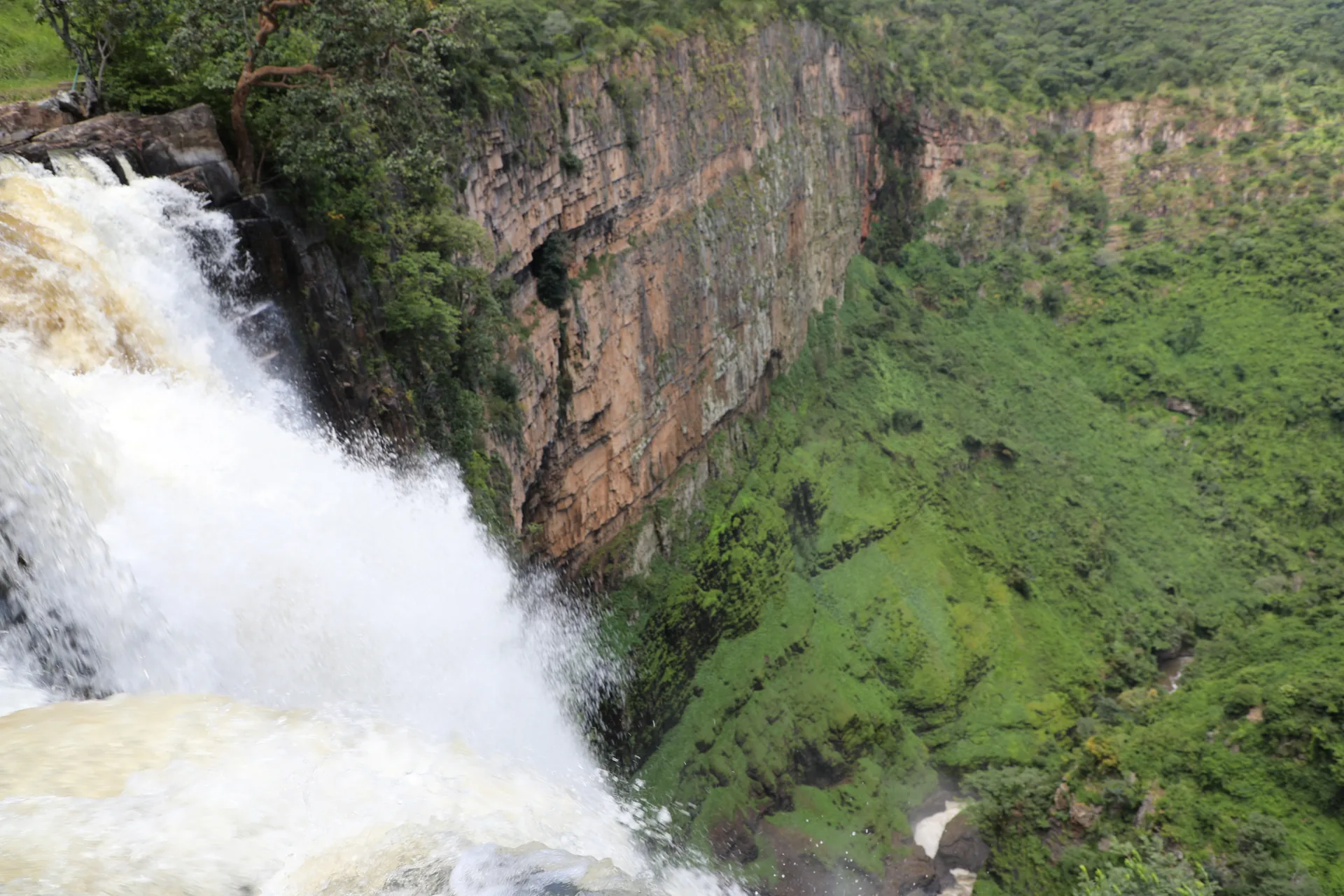
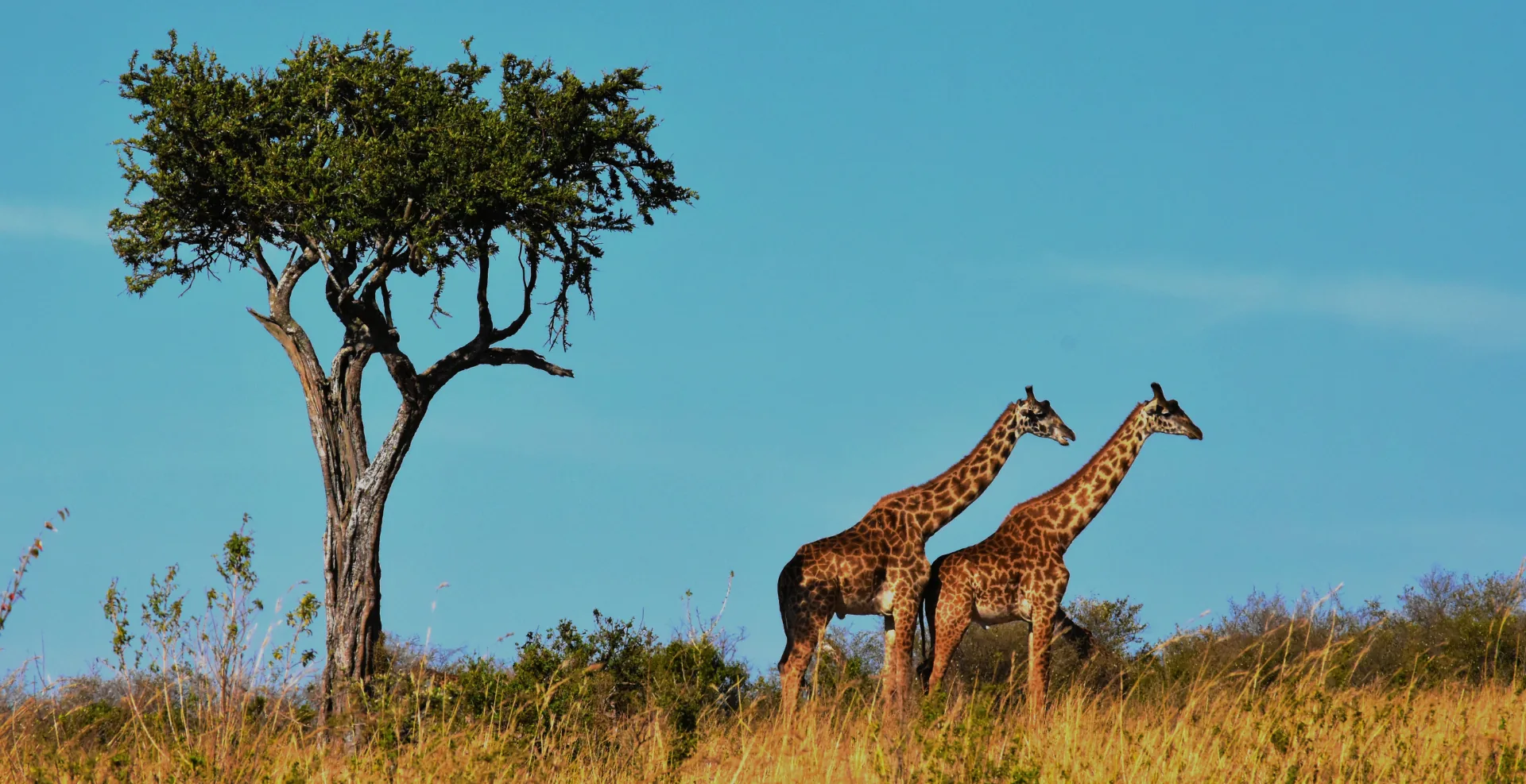
Remote plains, a long road south, and a waterfall very few travellers ever reach.
Prices are quoted individually. Share your dates and party size and Urithi will prepare a personalised quotation.
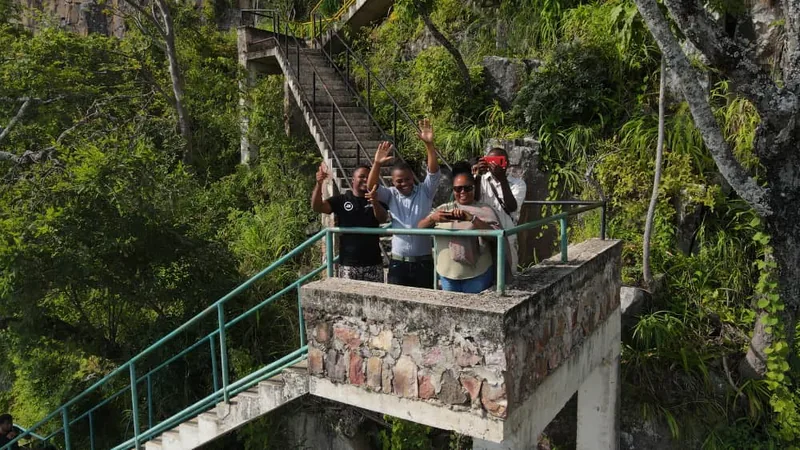
Walk with the required local guide to the currently approved viewpoint or trail, with the route adjusted to rain, river level, heat, fitness and reserve rules.
Understand the river, rock, forest and escarpment from safe, authorised locations, without approaching unstable edges or restricted zones.
A slower guided walk for plants, primates, birds, butterflies and the reserve's wider ecology — not merely a corridor to the falls.
Beach and shoreline time built around a verified property and current conditions for water quality, wildlife, currents, weather and local use.
Visited with site access confirmed and an informed guide who connects the German colonial post to African labour, resistance, trade, war and life in present-day Kasanga.
A local performance, food, craft or storytelling encounter, only with consent, fair payment, respectful photography and clear community benefit.
Kalambo changes dramatically through the year. Higher flow creates the most powerful waterfall; drier conditions make roads and trails more manageable. The right choice depends on whether you prioritise volume, access, photography or a wider Rukwa expedition. Flow depends on current and preceding rainfall — no photograph or historic measurement guarantees what you will see.
Pair Kalambo Falls with the rest of Tanzania — Urithi coordinates the whole journey as one plan.
The strongest expedition pairing — wildlife plains through Mpanda and Rukwa to waterfall, gorge and great lake.
Chimpanzees and Lake Tanganyika, when flights and staging allow.
Mbeya, tea country and highland scenery on the road approach.
A hot spring or viewpoint, as a verified Rukwa extension when access, guide and timing support it.
Every image carries a place, a moment and, where relevant, the people whose story it belongs to.
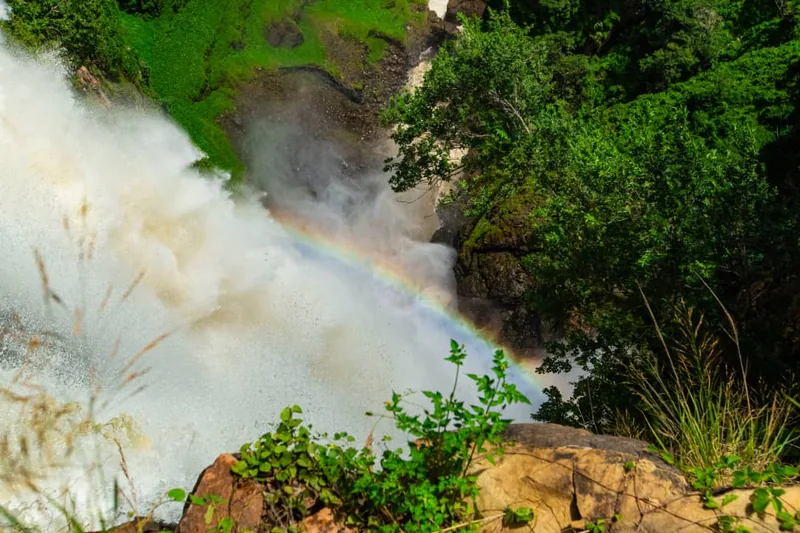
Tell us how much time you can give the road, whether you want Katavi first and how important high water is to you. Urithi will build an expedition with realistic driving days, verified access and a guide who can explain what you are actually looking at.
Your dates and ideas do not need to be final. Share what you know, and Urithi will help shape the rest.
We use essential cookies to make this site work, and optional analytics cookies to understand how it is used. You can accept or decline analytics. Cookie Policy.