
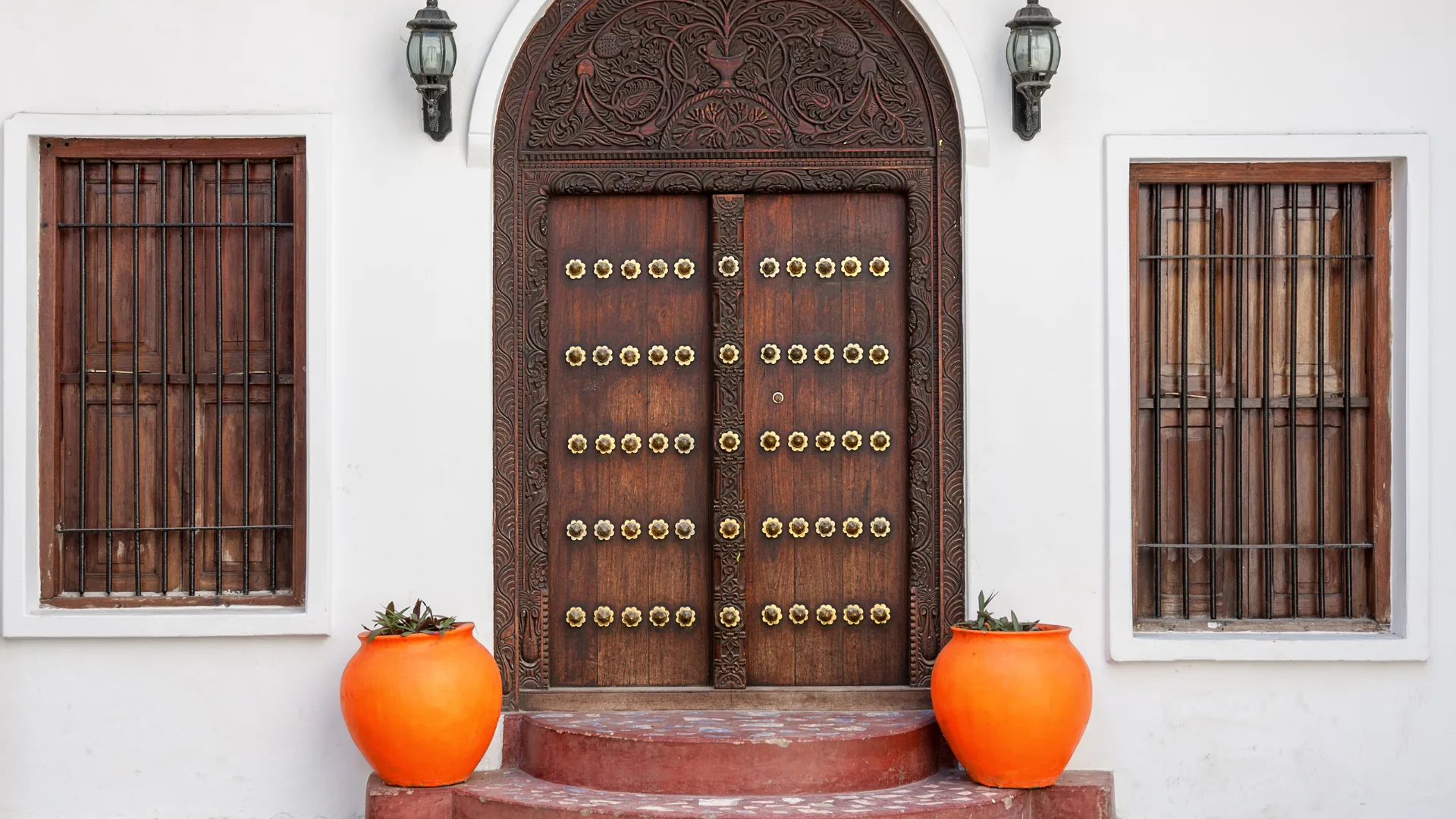
Bagamoyo & Saadani: History to Wild Coast
The caravan coast, then the wild one. Two sides of the same shore.
- Saadani
Personalised quoteView journey
A business division of Urithi Company Limited
Swahili heritage · Living culture · River and reef · Indian Ocean
Follow living heritage north along the mainland shore—from Bagamoyo's caravan streets and medieval Kaole, through Pangani's river mouth and quiet beaches, to Tanga's limestone caves, protected bays and island horizons.
Tanzania's mainland coast is where the Indian Ocean world reached the continent and never left. Ports, mosques, tombs, forts, plantations, dhow yards and fishing communities record centuries of trade, faith, migration, enslavement, resistance and colonial rule — and they are still working places, not preserved museums.
Bagamoyo carries the caravan story. The nearby settlement of Kaole reaches back to the early Swahili world, while Bagamoyo itself grew into an important port and caravan town from the late eighteenth century. That history includes the painful movement of enslaved people and ivory through the coast, and it deserves thoughtful interpretation rather than spectacle.
Pangani sits at the mouth of the river that gives it its name, about 50 kilometres south of Tanga, where fresh water, mangroves and ocean meet. Further north, Tanga Bay opens toward reefs, estuaries, forested islands and the limestone chambers of Amboni, with Tongoni's ruins preserving another chapter of the Swahili coast.
With Urithi, these places belong to one journey. Local guides connect the chapters, communities keep the value, and difficult history is handled with accuracy and care.
Every package can be adjusted by travel date, group size, accommodation style and onward destination.
The caravan coast, then the wild one. Two sides of the same shore.
Prices are quoted individually. Share your dates and party size and Urithi will prepare a personalised quotation.
Each can anchor a short stay, or all three can be joined into a single northbound coastal journey.
Walk between the Caravan Serai, Old Fort, historic administrative buildings, places of worship and the seafront as local guides connect the town's different chapters.
Medieval mosque and tomb ruins just outside Bagamoyo, reaching back to the early Swahili world.
Traditional wooden boats still built by hand as part of the coast's working identity, subject to access and the rhythm of local activity.
River cruises through mangroves and birdlife, from the river mouth into sheltered water — a genuinely different coastal perspective.
The protected sandbar and surrounding reefs, visited only with suitable operators and appropriate tides, weather and reserve guidance.
Limestone chambers on an authorised route, and the Swahili ruins south of Tanga where architecture, graves and settlement meet Indian Ocean history.
Toten, Yambe and Karange, explored only when boats, permits, tides, weather and conservation guidance allow.
Fish markets, artisans, coconut and sisal landscapes, and Tanga's waterfront city life — met as everyday life rather than performance.
The mainland coast is warm year-round, and the practical differences are rainfall, sea conditions and how comfortable long guided walks feel. Urithi confirms site access, boat conditions and operator schedules for every departure.
Pair The Swahili Coast with the rest of Tanzania — Urithi coordinates the whole journey as one plan.
Wildlife, the Wami River and Indian Ocean shore, directly adjoining this stretch of coast.
Cross to the island and follow the same Swahili story from the other side of the channel.
Continue south for protected reefs, Chole Bay and a marine-conservation focus.
The practical gateway for arrival, departure and coastal food and culture.
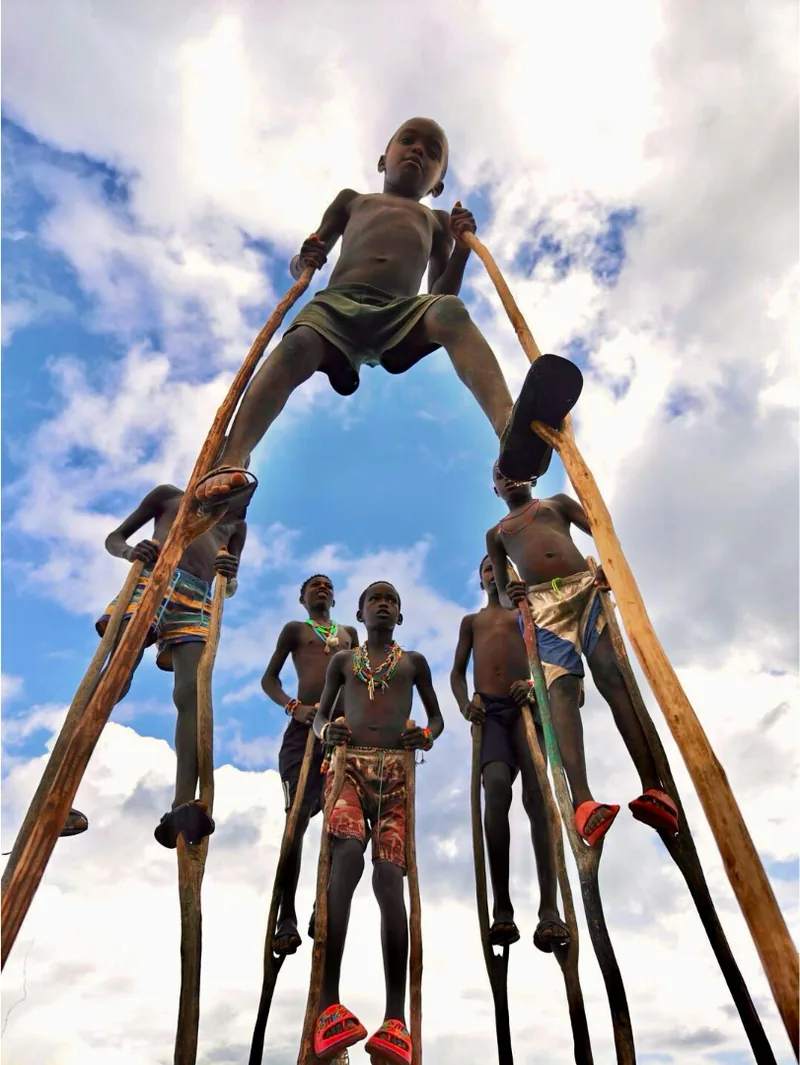
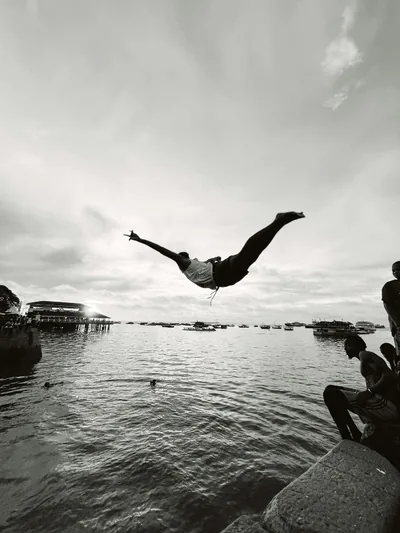
Every image carries a place, a moment and, where relevant, the people whose story it belongs to.
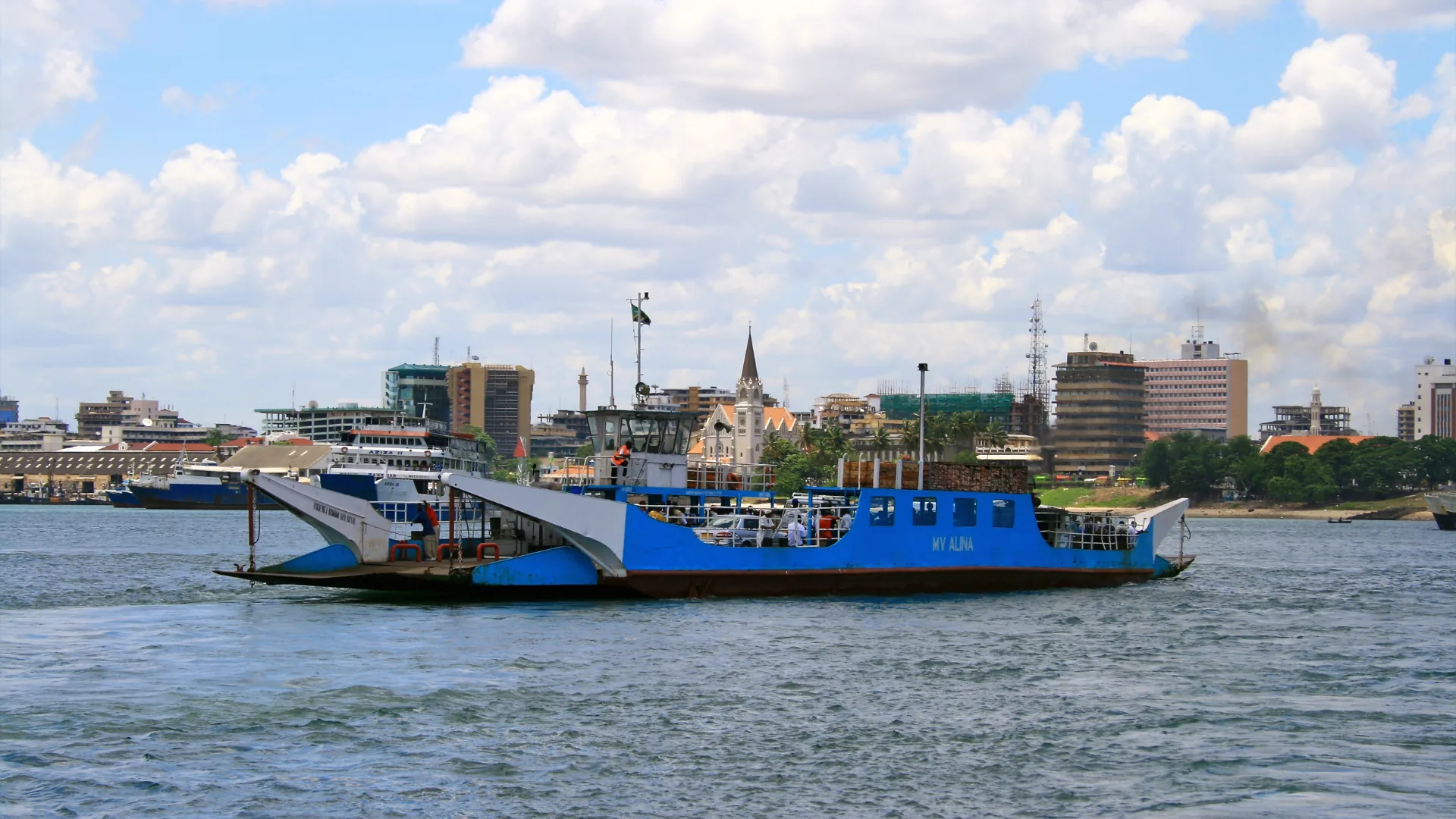
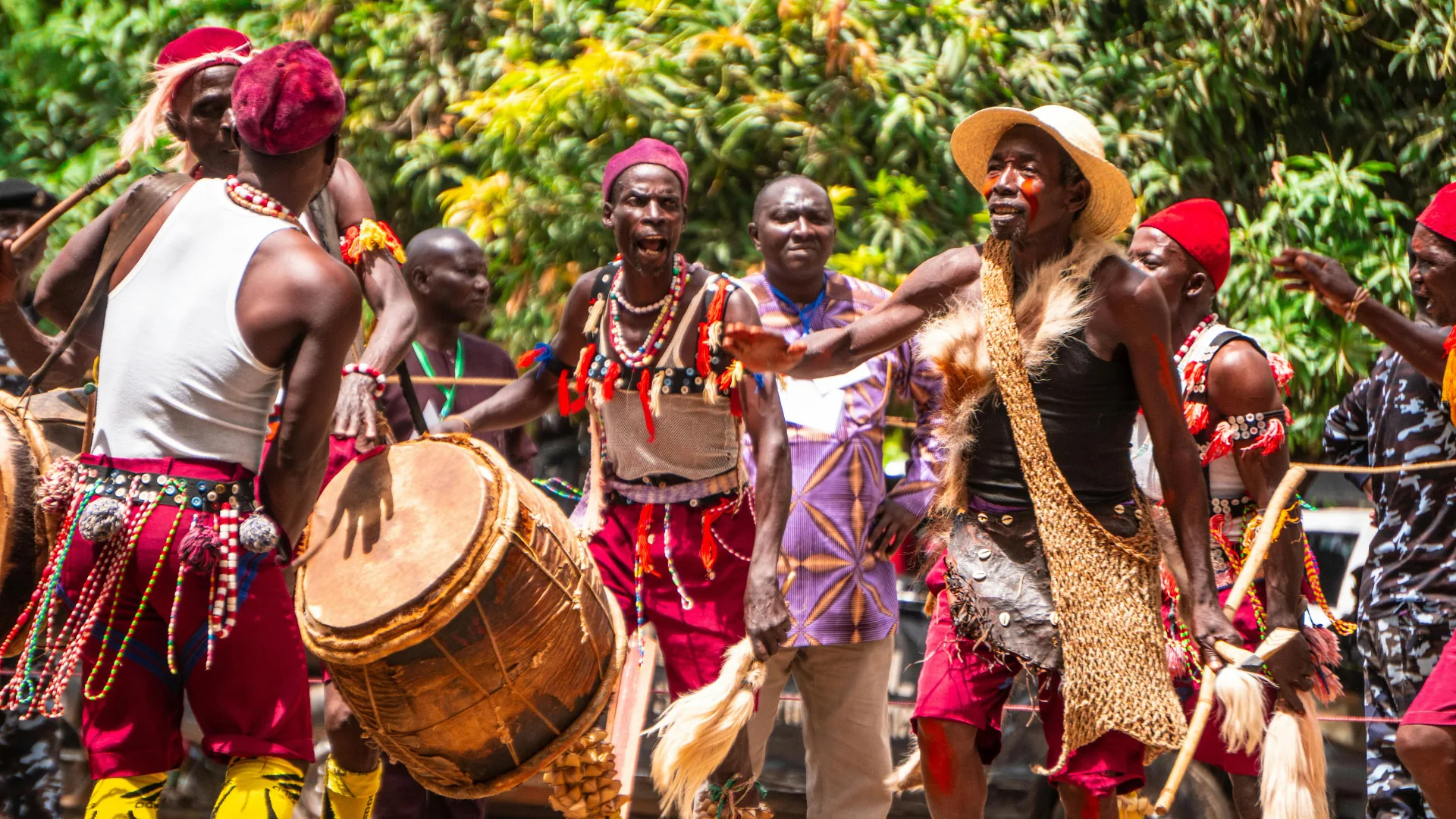
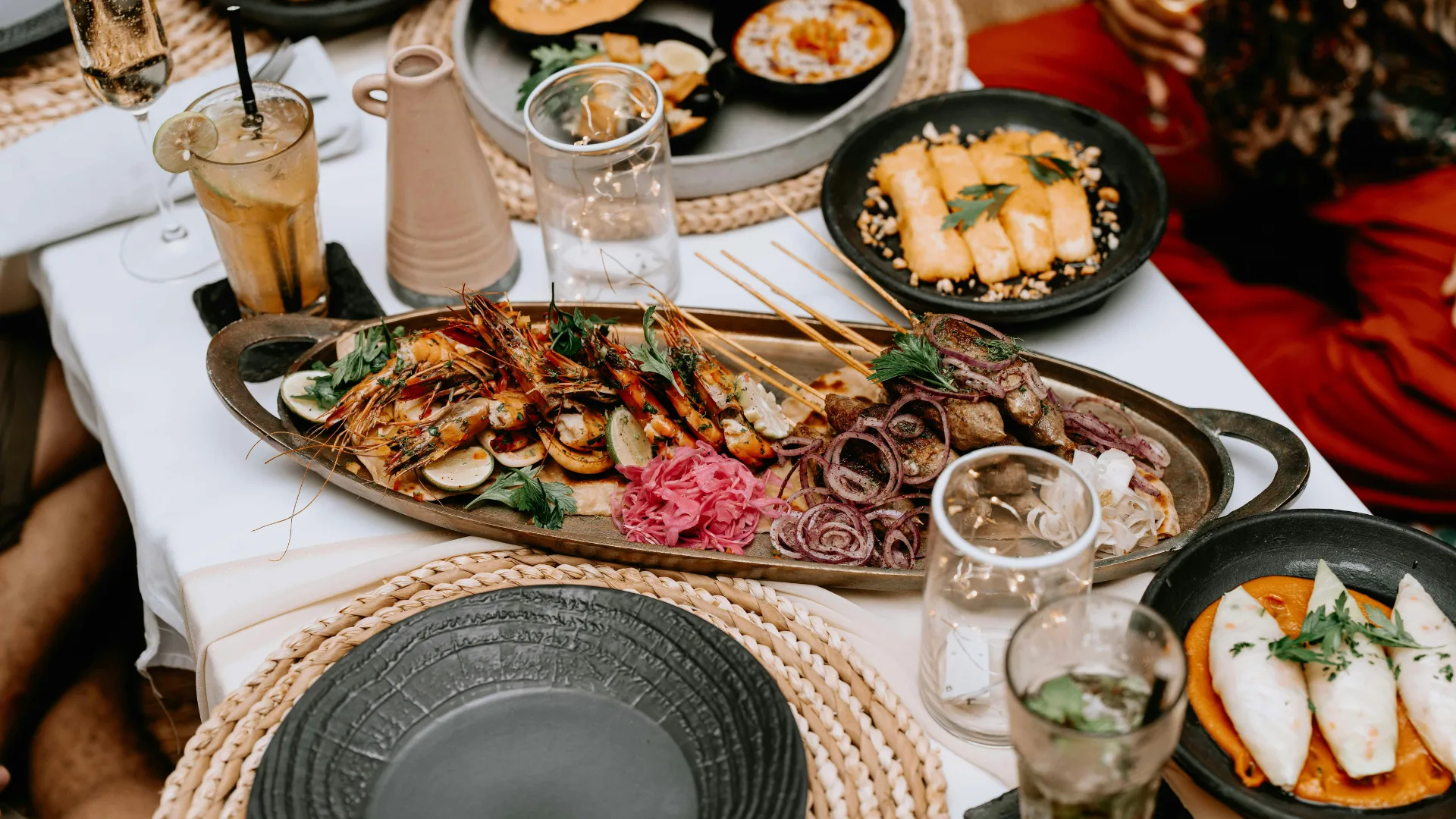

Tell us how much time you have and whether history, river and reef, or quiet beach time matters most. Urithi will shape a coastal journey with the right guides, the right pace and interpretation you can trust.
Your dates and ideas do not need to be final. Share what you know, and Urithi will help shape the rest.
We use essential cookies to make this site work, and optional analytics cookies to understand how it is used. You can accept or decline analytics. Cookie Policy.